There’s a specific moment most knee patients remember. It’s usually not when the pain started — it’s the first time they woke up in the middle of the night because of it. That’s the line. Pain during activity is one thing. Pain at rest, pain that breaks your sleep, pain that’s now there even when you’re not doing anything — that’s the body telling you something different.
Painkillers can help for a while. Many patients manage quite well on NSAIDs for months or years. But there’s a point where the medication stops being a bridge and starts being a delay — and that delay has real costs.
Signs That Conservative Treatment Has Run Its Course
Physiotherapy, paracetamol, diclofenac, ice packs, weight management — all of these are appropriate first responses to knee pain. Most Grade 1 or Grade 2 osteoarthritis does reasonably well with these approaches, especially combined with viscosupplementation (gel injections) or PRP therapy. The treatment works when the cartilage still has something to work with.
When cartilage is severely thinned or gone — Grade 3 or Grade 4 — conservative treatment is managing a structural problem with a symptomatic solution. It becomes like putting a better tyre on a car with a bent axle. The ride might feel slightly better, but the underlying problem keeps getting worse.
The signs that you’ve reached this threshold:
Pain that wakes you from sleep is probably the clearest signal. Daytime pain during activity is expected with arthritis. Night pain suggests the inflammation and structural damage are advanced enough that the joint can’t settle even at rest.
A visible change in leg alignment — the gradual bow-legged or knock-kneed deformity that’s been getting more pronounced over years — means the joint has lost enough structure that the loading has shifted. This kind of deformity progresses, and it doesn’t reverse without surgery.
Inability to walk a flat 500 metres without stopping. This sounds like a specific number, and it is — it’s a rough clinical threshold where knee pain has crossed from limiting activity to limiting basic function.
Swelling that doesn’t go down. Acute post-activity swelling is normal with arthritis. Persistent swelling that’s present even in the morning, even without recent activity, means the joint lining is chronically inflamed.
Why Delaying Surgery Beyond This Point Has Costs
This is the part of the conversation most patients don’t hear until they’ve waited too long. Continuing on painkillers for months or years after the clinical threshold for replacement has been crossed leads to several compounding problems.
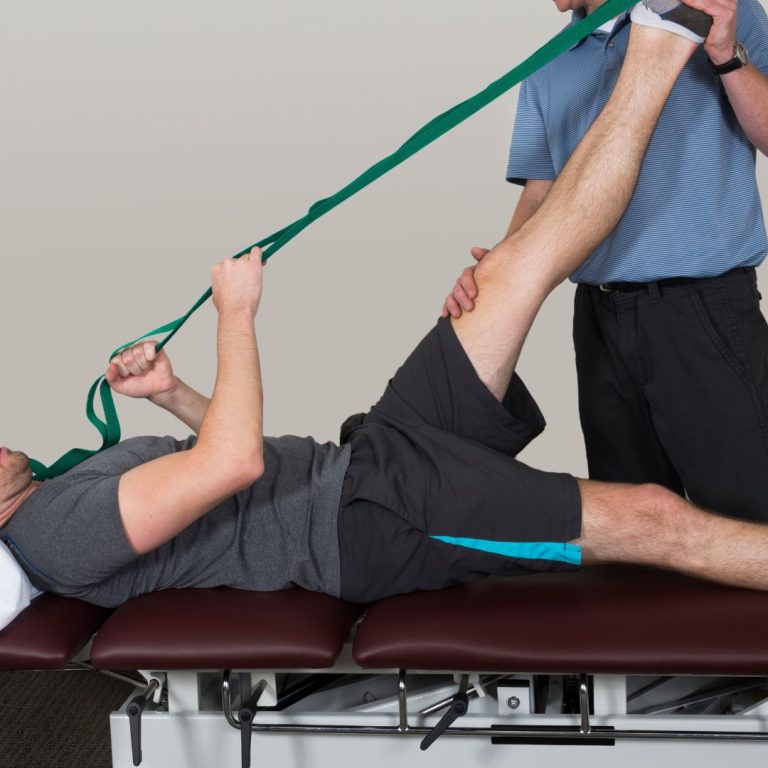
Muscle wasting. When a knee hurts, you use it less. When you use it less, the quadriceps and hamstrings weaken. By the time some patients arrive for surgery, they’ve lost significant muscle mass in the affected leg — which directly affects how quickly and how completely they recover after replacement.
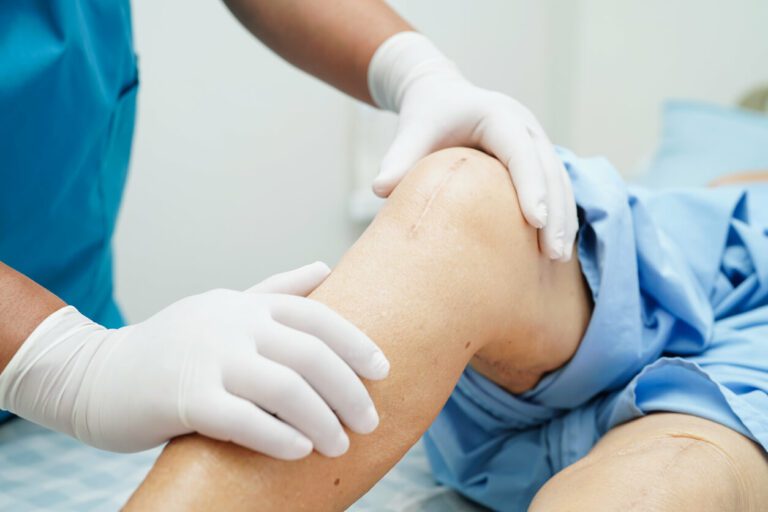
Progressive bone loss and deformity. Severe arthritis continues to erode bone stock. More bone loss means a more complex reconstruction at surgery, a less predictable result, and sometimes the need for revision-grade implants rather than standard ones.
Long-term NSAID use. Diclofenac and similar drugs, taken daily for years, carry real risks — gastric ulcers, kidney strain, cardiovascular effects. The risks accumulate with duration. For many patients, the safest path for long-term health is definitive surgery rather than indefinite medication.
What a Proper Assessment Involves
A standing weight-bearing X-ray is the foundation. Not a scan taken lying down — which underestimates joint space narrowing — but one taken under load, the way the joint actually functions. This tells you the grade of arthritis clearly and whether the deformity has progressed to the point of surgical indication.
From that X-ray and a physical examination, Dr Gill can tell you clearly: not yet, or now. There’s no ambiguity at Grade 4. At Grade 3, the clinical picture and symptom severity determine timing. The goal is surgery at the right time — not too early, not so late that recovery is harder than it needs to be.
If you’ve been managing on painkillers for more than a year and the medication is still the main thing keeping you functional, get an updated X-ray and a fresh assessment. Call +91-82880 15106 to book with Dr TS Gill at Max Hospital Mohali.