Why Patients Are Choosing RoboLens Knee Surgery for Better Mobility

Dr Tarandeep Singh Gill — MS Ortho, MCh Ortho

Director – Joint Replacement & Robotic Surgery  ·  RoboLens FT3D Pioneer  ·  Max Super Speciality Hospital, Mohali

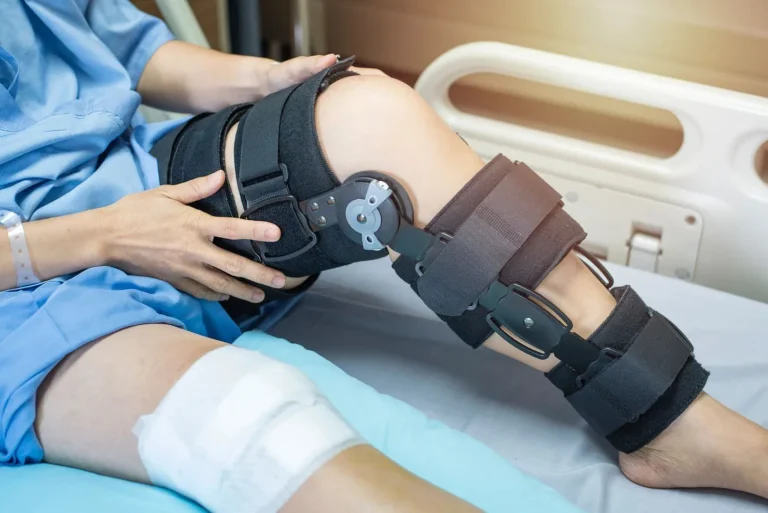
Knee pain can significantly impact everyday life. Simple activities such as climbing stairs, walking to the market, or enjoying time with family can become challenging when joint pain and stiffness take over. For many people suffering from advanced knee arthritis or severe joint damage, knee replacement surgery offers a path back to an active lifestyle.

Today, medical technology is transforming orthopedic care, making procedures more precise and personalized than ever before. One of the most exciting developments in this field is RoboLens knee surgery, an advanced approach that combines robotic precision with surgical expertise to improve outcomes and help patients regain mobility with confidence.

As more patients explore innovative treatment options, robotic-assisted knee replacement is becoming a preferred choice for those seeking accuracy robotic-assisted knee replacement, comfort, and long-term joint function.

Understanding Knee Replacement Surgery

The knee is one of the body’s most important weight-bearing joints. Over time, factors such as aging, osteoarthritis, rheumatoid arthritis, injuries, and wear-and-tear can damage the cartilage that cushions the joint.

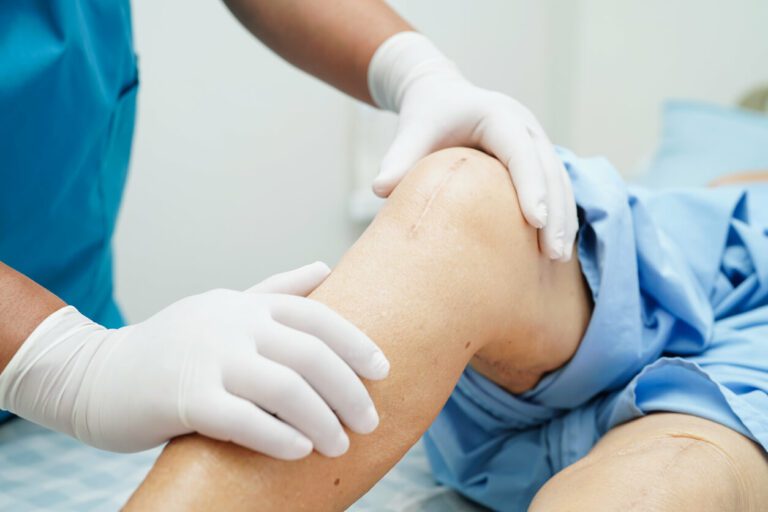
When conservative treatments like medications, physiotherapy, injections, and lifestyle modifications no longer provide relief, knee replacement surgery may be recommended. The procedure involves replacing damaged portions of the knee joint with artificial implants designed to restore movement and reduce pain.

While traditional knee replacement has helped millions of patients worldwide, robotic-assisted techniques are introducing a new level of precision to orthopedic surgery.

What Is RoboLens Knee Surgery?

RoboLens knee surgery is a technologically advanced surgical system that assists orthopedic surgeons in planning and performing knee replacement procedures orthopedic surgeons with exceptional accuracy.

Unlike conventional methods that rely primarily on manual measurements, robotic-assisted systems use advanced imaging, real-time data, and detailed surgical planning to help surgeons position implants more precisely according to each patient’s unique anatomy.

It is important to understand that the robot does not perform the surgery independently. The orthopedic surgeon remains in complete control throughout the procedure while using robotic guidance to enhance precision and decision-making.

This combination of human expertise and advanced technology is one of the main reasons patients are increasingly choosing robotic-assisted joint replacement.

Why Precision Matters in Knee Replacement

Every person’s knee anatomy is different. Even minor variations in implant alignment can influence joint movement, comfort, and long-term performance.

Robotic-assisted systems help surgeons:

  • Create personalized surgical plans
  • Improve implant positioning accuracy
  • Preserve healthy bone and tissue
  • Enhance joint alignment
  • Reduce the margin for error
  • Optimize overall knee function

The result is a more customized procedure designed around the patient’s individual anatomy and mobility goals.

Key Reasons Patients Are Choosing RoboLens Knee Surgery

1. Improved Implant Alignment

One of the most important factors in a successful knee replacement is proper implant positioning. Even small alignment issues can affect movement and comfort over time.

Robotic guidance allows surgeons to make highly accurate adjustments during surgery, helping achieve optimal implant placement and better joint balance.

Patients often appreciate the confidence that comes from knowing their procedure is guided by advanced technology designed to enhance precision.

2. Personalized Surgical Planning

Traditional surgery follows standardized surgical principles, but robotic-assisted systems allow for greater customization.

Before the procedure, detailed assessments help create a patient-specific surgical plan. This enables surgeons to tailor the treatment according to the individual’s bone structure, joint condition, and movement patterns.

A personalized approach often contributes to improved functional outcomes and a more natural-feeling knee after recovery.

3. Better Joint Function and Mobility

The ultimate goal of knee replacement surgery is to restore movement and improve quality of life.

Patients choosing RoboLens technology often do so because they want the best possible opportunity to regain mobility, participate in daily activities comfortably, and return to hobbies they enjoy.

Improved alignment and implant positioning can contribute to smoother joint mechanics and better overall knee performance.

4. Potential for Faster Recovery

While recovery varies from patient to patient, many individuals are attracted to robotic-assisted knee replacement because of its ability to support more precise surgical execution.

By minimizing unnecessary disruption to surrounding tissues and optimizing implant placement, some patients may experience a smoother rehabilitation process compared to conventional approaches.

Physical therapy and postoperative care remain essential parts of recovery regardless of the surgical technique used.

5. Increased Confidence in Modern Technology

Healthcare consumers today are more informed than ever. Patients actively research treatment options and seek technologies that offer measurable benefits.

The growing popularity of robotic orthopedic procedures reflects a broader trend toward precision medicine and technology-driven healthcare solutions.

For many individuals, choosing RoboLens knee surgery provides additional reassurance that their treatment incorporates advanced planning and surgical guidance.

Who Can Benefit from Robotic-Assisted Knee Replacement?

Robotic-assisted knee replacement may be suitable for patients experiencing:

  • Advanced osteoarthritis
  • Chronic knee pain
  • Significant joint stiffness
  • Reduced mobility
  • Difficulty performing daily activities
  • Knee deformities affecting alignment
  • Poor response to non-surgical treatments

However, every patient is unique. A comprehensive orthopedic evaluation is necessary to determine the most appropriate treatment plan.

The Growing Demand for AI-Powered Orthopedic Solutions

The adoption of advanced technology in orthopedics is rapidly increasing worldwide. Patients are becoming more aware of the advantages offered by computer-assisted and robotic surgical systems.

This trend is particularly noticeable among individuals seeking AI knee surgery Chandigarh, where access to modern orthopedic technology is helping patients explore more advanced treatment options.

Artificial intelligence and robotic guidance allow surgeons to analyze data more effectively, improve planning accuracy, and make informed decisions during surgery. While the surgeon remains the driving force behind every procedure, technology serves as a valuable tool for enhancing precision and consistency.

What to Expect During the Recovery Process

Recovery after robotic-assisted knee replacement generally follows a structured rehabilitation program designed to help patients regain strength and flexibility.

Typical recovery milestones include:

Early Recovery

  • Pain management
  • Assisted walking
  • Gentle exercises
  • Swelling control

Rehabilitation Phase

  • Physical therapy sessions
  • Strength-building exercises
  • Range-of-motion improvement
  • Gradual return to daily activities

Long-Term Recovery

  • Increased mobility
  • Better joint stability
  • Improved independence
  • Enhanced quality of life

Patient commitment to rehabilitation plays a crucial role in achieving the best possible outcome.

Choosing the Right Orthopedic Surgeon

Technology is only one part of successful knee replacement surgery. The experience, skill, and judgment of the orthopedic surgeon remain equally important.

When selecting a surgeon, patients should consider:

  • Experience in joint replacement procedures
  • Expertise in robotic-assisted techniques
  • Patient outcomes and reviews
  • Comprehensive rehabilitation support
  • Personalized treatment planning

A qualified orthopedic specialist can explain whether robotic-assisted surgery is the right option based on individual health conditions and mobility goals.

The Future of Knee Replacement Surgery

Orthopedic care continues to evolve with advancements in robotics, artificial intelligence, imaging technology, and surgical planning tools. These innovations are helping surgeons deliver more personalized treatments while improving precision and consistency.

As awareness grows, more patients are choosing technologically advanced procedures because they offer a modern approach to restoring mobility and reducing pain.

The focus is no longer just on replacing a damaged joint—it is on creating a treatment plan that supports long-term function, comfort, and quality of life.

Final Thoughts

For individuals struggling with chronic knee pain and limited mobility, robotic-assisted joint replacement represents an exciting advancement in orthopedic care. RoboLens knee surgery combines surgical expertise with innovative technology to enhance precision, improve implant alignment, and support better functional outcomes.

As interest in advanced orthopedic solutions continues to rise, many patients exploring AI knee surgery Chandigarh are discovering the advantages of personalized surgical planning and robotic guidance. While every patient’s journey is unique, the goal remains the same: restoring mobility, reducing pain, and helping individuals return to the activities they love.

With the right surgeon, advanced technology, and a dedicated rehabilitation plan, patients can look forward to a more active and comfortable future.

NAP Information

Dr. T.S. Gill Orthopaedic Clinic

Max Healthcare Mohali

Phone: +91 82880 15106

Similar Posts

Leave a Reply

Your email address will not be published. Required fields are marked *