Robotic Knee Replacement Chandigarh | Dr. TS Gill

Robotic Knee Replacement Chandigarh — Dr. TS Gill Orthopaedic

Knee replacement surgery Chandigarh

Knee pain has a way of quietly stealing your life. First it’s the stairs. Then it’s the morning walk you used to love. Eventually, even sitting through a family dinner becomes uncomfortable. If you’ve reached the point where conservative treatments — physiotherapy, injections, medications — simply aren’t working anymore, robotic knee replacement might be the most important conversation you haven’t had yet.

At Dr. TS Gill Orthopaedic in Chandigarh, robotic-assisted Knee replacement surgery Chandigarh has transformed outcomes for hundreds of patients across Punjab, Haryana, and Himachal Pradesh. This isn’t just a technological upgrade over traditional surgery — it’s a fundamentally different approach to precision, alignment, and long-term implant survival.

What Is Robotic Knee Replacement, Really?

A lot of patients come in thinking the robot performs the surgery. It doesn’t. The surgeon is always in control. What robotic technology does is give that surgeon a level of real-time precision that human hands alone simply cannot achieve consistently.

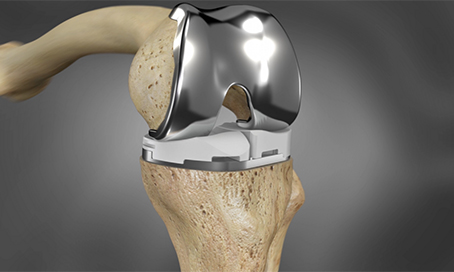
Here’s how it works in practice. Before surgery, a CT scan of your knee is used to build a three-dimensional model of your specific joint — your anatomy, your bone geometry, your alignment. The robotic system then creates a personalized surgical plan based on that model. During the procedure, the robot provides haptic feedback and boundary controls, meaning if the surgeon’s instrument moves even slightly outside the pre-planned zone, the system resists. Bone cuts stay within 1 millimeter of the plan. Implant positioning is verified in real time.

Traditional knee replacement relies on mechanical guides and the surgeon’s experience. Both are valuable — but neither can match the consistency of robotic-assisted planning. Studies published in peer-reviewed journals have shown that robotic-assisted total knee arthroplasty reduces outliers in component alignment by up to 70% compared to conventional techniques. Better alignment means the implant wears more evenly, lasts longer, and — critically — feels more natural when you walk.

Why Patients from Across the Region Choose Chandigarh for This Surgery

Chandigarh sits at a unique intersection — geographically and medically. It serves as a referral hub for patients from smaller cities and towns across three states who want tertiary-level care without traveling to Delhi or Mumbai. For robotic knee replacement specifically, the concentration of expertise matters enormously. You want a surgeon who has done hundreds of these procedures, not dozens.

Dr. TS Gill Orthopaedic has built a reputation in this region precisely because of that depth of experience. Patients from Ludhiana, Patiala, Shimla, and Ambala regularly travel to Chandigarh for consultation, and many describe the decision as one they wish they’d made sooner. The combination of advanced robotic infrastructure, a specialized surgical team, and structured post-operative rehabilitation under one roof makes the entire journey more cohesive than piecing together care across multiple providers.

Who Is a Good Candidate for Robotic Knee Replacement?

This question comes up in almost every first consultation. The honest answer: most people who need total knee replacement are candidates for the robotic approach. But some situations make it especially valuable.

If you have significant deformity — a severely bowed leg (varus) or knock-knee alignment (valgus) — robotic planning is particularly useful because it accounts for your specific anatomy rather than relying on population averages. Patients with unusual bone geometry, previous fractures around the knee, or prior surgeries also benefit because the CT-based planning adapts to what’s actually there, not what’s typical.

Age is less of a barrier than people assume. Patients in their 50s and 60s who are more active post-surgery may actually benefit most from the improved longevity that better alignment provides. A well-aligned implant can realistically last 20-plus years in the right patient. For someone who gets surgery at 58, that’s the difference between one surgery for life and potentially needing a revision.

Severe osteoarthritis with bone-on-bone contact, post-traumatic arthritis following old injuries, and rheumatoid arthritis affecting the knee are all common indications. What matters most is that non-surgical options have been genuinely exhausted and that the pain and functional limitation are significantly impacting quality of life.

The Surgical Experience: What to Expect

One of the most common concerns patients raise is about the recovery. There’s a persistent myth that robotic surgery means a longer operation or a more complicated recovery. In most cases, the opposite is true.

Because the robotic system minimizes unnecessary bone cuts and soft tissue disruption — the surgical plan is executed more efficiently — operative times at experienced centers are comparable to conventional surgery, often around 60 to 90 minutes. Blood loss tends to be lower. And because the implant is positioned correctly the first time, the knee often feels more balanced immediately after surgery, which contributes to faster rehabilitation.

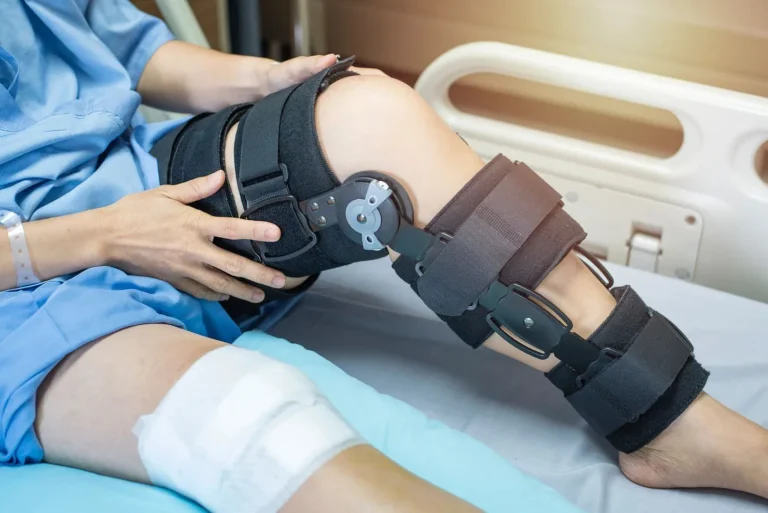
At Dr. TS Gill Orthopaedic, most patients begin standing and taking assisted steps within 24 hours of surgery. By day three or four, many are walking short distances independently with a walker. By six weeks, the majority have returned to light daily activities. Full recovery — being comfortable walking longer distances, climbing stairs confidently, returning to low-impact activities — typically occurs between three and six months.

The post-operative physiotherapy protocol matters as much as the surgery itself. A structured rehabilitation plan, starting with range-of-motion exercises and progressing to strengthening and functional training, is what converts a technically excellent surgery into a patient who actually feels better. That continuity of care is something the team in Chandigarh takes seriously.

Robotic vs. Traditional Knee Replacement: An Honest Comparison

Traditional knee replacement has a strong track record. Surgeons have been refining the technique for over 50 years, and the outcomes are generally good. So it’s fair to ask — is robotic technology worth it, or is it just expensive marketing?

The evidence is increasingly clear that robotic assistance improves specific measurable outcomes. Implant alignment, which directly predicts long-term implant survival, is more consistent. Patient-reported satisfaction scores — how the knee actually feels to the person living with it — are higher in several comparative studies. Revision rates, while already relatively low in experienced hands, trend lower with robotic-assisted procedures.

What robotic surgery doesn’t change is the fundamental biology of healing. Bone still takes time to integrate with the implant. Muscles weakened by years of favoring a painful knee still need rehabilitation. The technology sets up the surgery for success — it doesn’t replace the work that happens afterward.

Cost is a legitimate consideration. Robotic knee replacement typically costs more than conventional surgery due to the technology infrastructure and implant costs. However, when you factor in the reduced likelihood of revision surgery (which is significantly more complex and expensive than a primary replacement), many patients find the long-term value equation more favorable than it first appears. It’s worth having a direct conversation about costs and what’s included during your consultation at Dr. TS Gill Orthopaedic.

Life After Robotic Knee Replacement

The goal was never just to get through surgery. It was to get your life back.

Patients who’ve had robotic knee replacement consistently report that the knee feels more natural than they expected. The improved alignment means the joint tracks properly through its range of motion — there’s less of the mechanical, artificial feeling that some patients describe after conventional replacement. Walking feels more symmetrical. Stairs become manageable again. Many patients return to swimming, cycling, golf, and even light hiking within six months.

There are realistic limits. High-impact activities — running, contact sports, heavy jumping — are generally not recommended long-term because they accelerate implant wear. But for the vast majority of what makes life enjoyable in your 60s, 70s, and beyond, a well-executed robotic knee replacement genuinely delivers.

One patient from Patiala who visited Dr. TS Gill Orthopaedic in Chandigarh described it this way: he’d spent three years avoiding a family trip because he couldn’t walk more than 15 minutes without severe pain. Eight months after surgery, he completed a two-kilometer temple walk with his grandchildren. That’s the kind of outcome this surgery is designed to create.

Frequently Asked Questions

How long does a robotic knee implant last?

With proper alignment — which robotic surgery significantly improves — modern knee implants are designed to last 20 years or more in most patients. Long-term studies show that 90-95% of well-aligned implants are still functioning at the 15-year mark. Your activity level, body weight, and bone quality also influence longevity, which is why the pre-surgical assessment at Dr. TS Gill Orthopaedic includes a thorough evaluation of these factors.

Is robotic knee replacement available for partial knee replacement too?

Yes. Robotic assistance is actually particularly well-suited for partial (unicompartmental) knee replacement, where only one compartment of the knee is resurfaced. The precision required to preserve the remaining healthy cartilage and ligaments makes robotic guidance especially valuable in these cases. Not everyone is a candidate for partial replacement, but for those who are, it offers a faster recovery and a more natural feel.

What’s the difference between robotic knee replacement and computer-navigated surgery?

Computer navigation was an earlier generation of technology that used sensors to track instrument position and provide feedback to the surgeon. Robotic surgery goes further — it combines pre-operative CT-based planning with active mechanical control during the procedure. The robotic arm can physically restrict instrument movement to stay within the planned boundaries. Navigation tells the surgeon where they are; robotics actively helps control where they go. The clinical outcomes data generally favors robotic assistance over navigation alone.

How do I know if I’m ready for knee replacement surgery?

There’s no single threshold, but several signs consistently indicate that surgery is the right conversation to have: knee pain that persists even at rest or disrupts sleep, significant functional limitations despite trying physiotherapy and injections for at least six months, X-ray findings showing advanced joint space narrowing or bone-on-bone contact, and a quality of life that’s meaningfully diminished by the knee. A consultation will include a clinical examination, imaging review, and an honest conversation about where you are and what your realistic options are.

Take the Next Step Toward a Pain-Free Knee

Living with severe knee pain is exhausting — not just physically, but emotionally. The constant calculation of whether an activity is worth the pain that follows. The gradual withdrawal from things you used to do without thinking. It doesn’t have to stay that way.

Robotic knee replacement in Chandigarh, performed by an experienced surgeon with the right technology and a committed rehabilitation team, offers outcomes that weren’t possible a decade ago. The precision is better. The recovery is faster. The longevity is longer. And for many patients, the result is a knee that finally feels like their own again.

If you’re ready to find out whether Best knee replacement surgeon Chandigarh, Dr. TS Gill Orthopaedic is here to give you an honest, thorough evaluation — not a sales pitch. Book your consultation today and take the first real step toward getting back to the life you want to be living.

Similar Posts

Leave a Reply

Your email address will not be published. Required fields are marked *