Dr Tarandeep Singh Gill — MS Ortho, MCh Ortho
Director – Joint Replacement & Robotic Surgery · RoboLens FT3D Pioneer · Max Super Speciality Hospital, Mohali
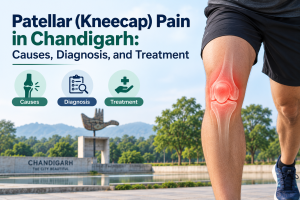
Patellar (Kneecap) Pain in Chandigarh — technically called patellofemoral pain — is one of the more common complaints in orthopedic practice, and one of the more frustrating to deal with. It tends to be worse going down stairs, sitting for long periods, or squatting. It can come on gradually without any specific injury. And it can persist stubbornly despite standard physiotherapy, which makes patients wonder whether something more is going on.
Understanding what’s actually happening behind the kneecap is the first step toward treating it properly.
What Causes Kneecap Pain
The patella moves in a groove on the front of the femur (the trochlea) as the knee bends and straightens. When the tracking of the patella through that groove is off — due to muscle imbalance, alignment issues, or structural anatomy — the cartilage on the back of the kneecap experiences abnormal pressure. Over time this leads to irritation, inflammation, and in some cases, cartilage damage (chondromalacia patellae).
Common contributing factors: weak vastus medialis oblique (VMO) muscle, tight IT band, overpronation of the foot (which affects knee alignment), sudden increase in training load, and in some patients, a shallow or asymmetric trochlear groove that affects how the patella sits.
When It’s Something More Serious
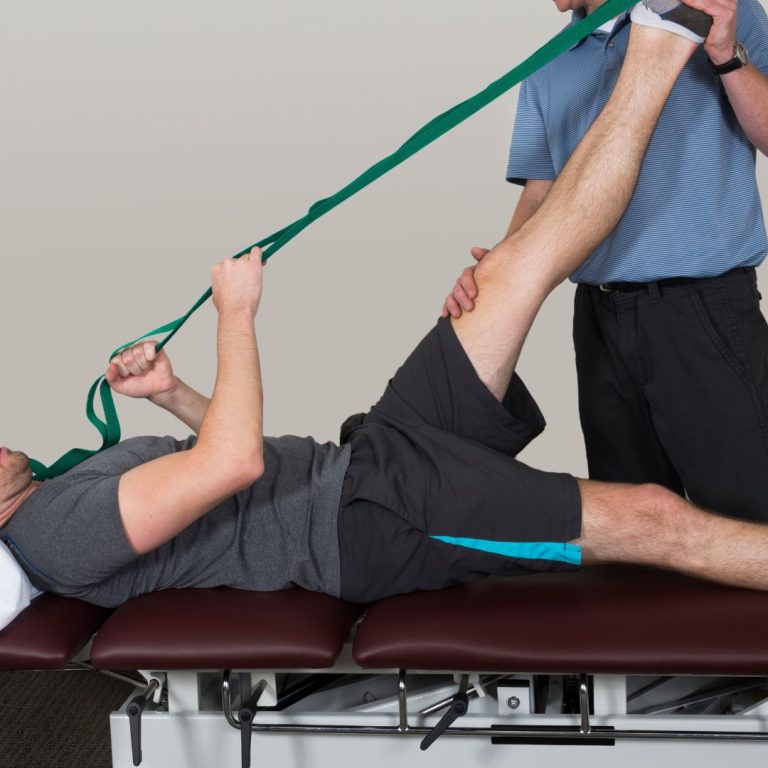
Most patellofemoral pain responds to physiotherapy targeting VMO strengthening, hip abductor strengthening, and correction of movement patterns. But some patients have structural issues — a significantly maltracking patella, a high-riding patella (patella alta), or significant chondromalacia — that don’t respond to conservative treatment alone.
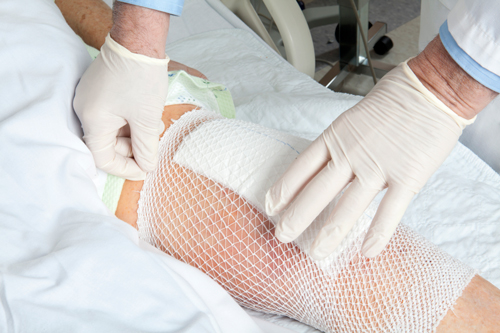
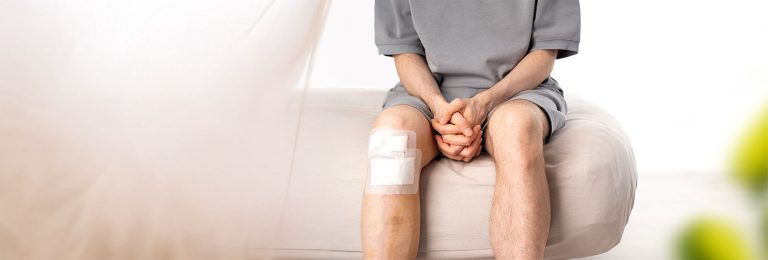
Arthroscopic assessment allows direct visualisation of the cartilage surface and patella tracking. If significant damage is present, procedures to realign the patella (tibial tubercle osteotomy) or address cartilage defects may be appropriate. These are not common — most kneecap pain is managed without surgery — but they’re relevant for patients who’ve failed 3–6 months of structured physiotherapy.
Patellar Tendon Problems
Separate from the patella itself, the patellar tendon — which connects the kneecap to the shin bone — can develop tendinopathy (patellar tendinopathy, common in jumping athletes) or, less commonly, a partial or complete tear. Tendinopathy is managed with load management, eccentric exercise programs, and sometimes injections. Complete tears require surgical repair.
If you have persistent kneecap pain in Chandigarh that hasn’t responded to physiotherapy, book a consultation with Dr. TS Gill to understand what’s driving it and what the appropriate next step is.