RoboLens FT3D Knee Resurfacing — Recovery Timeline and What to Expect

RoboLens FT3D Knee Resurfacing — Recovery Timeline and What to Expect

For many patients considering robotic knee replacement in Chandigarh, the surgery itself robotic knee replacement is only half the conversation. The other half — often the more pressing half — is what comes after. How long will I be off my feet? When can I return to work? Will I need someone to care for me at home? These are not anxious questions. They are sensible, practical ones, and they deserve honest, detailed answers. Recovery after RoboLens FT3D knee resurfacing is genuinely different from recovery after a total knee replacement — not as a marketing claim, but as a measurable, structural reality. This guide walks you through exactly what to expect, week by week, so you can plan with confidence and go into surgery knowing what lies ahead.

Why FT3D Resurfacing Recovery Is Faster Than Total Knee Replacement

To understand why recovery from FT3D is typically faster, it helps to understand what each procedure actually does to your body.

The Scale of Intervention Makes the Difference

Total knee replacement removes the entire joint surface — bone, cartilage, and all — and replaces it with a fully artificial implant. The surrounding muscles, ligaments, and tissues must all adapt to a completely new mechanical environment. The recovery reflects that scale of change: it is significant, extended, and demanding.

RoboLens FT3D resurfacing, by contrast, addresses only the compartment of the knee that has actually been damaged by arthritis. Healthy tissue, intact bone, and functioning ligaments are left exactly as they are. The robotic system — guided by Dr. TS Gill’s precision planning — removes only what needs to be removed and restores only what needs to be restored. The body is not adapting to a new joint. It is healing from a targeted, precisely executed repair.

The Role of Robotic Precision in Reducing Surgical Trauma

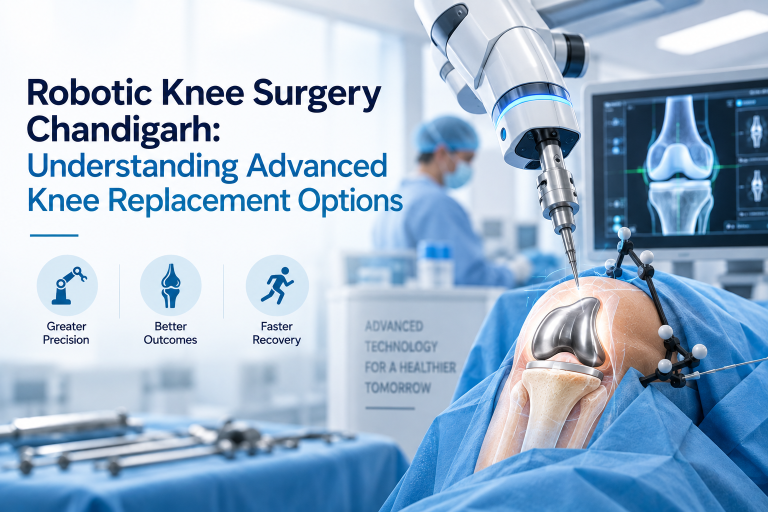
One of the reasons patients who choose robotic knee replacement in Chandigarh under Dr. Gill’s care experience faster recovery is the precision that robotic technology brings to the procedure itself. Conventional knee surgery relies heavily on the surgeon’s manual judgement for bone cuts and implant alignment. Robotic-assisted surgery uses real-time imaging, three-dimensional bone mapping, and haptic feedback to execute cuts with sub-millimetre accuracy — consistently, every time. Less unnecessary tissue disruption during surgery means less swelling, less post-operative pain, and a faster path to mobility afterward.

The Day-by-Day and Week-by-Week Recovery Timeline

Every patient recovers at their own pace, and individual factors — overall health, age, pre-operative fitness, and the severity of arthritis — all play a role. The timeline below reflects Dr. Gill’s experience with the majority of his FT3D patients and represents a realistic, evidence-based guide rather than a best-case scenario.

Surgery Day — Day 1

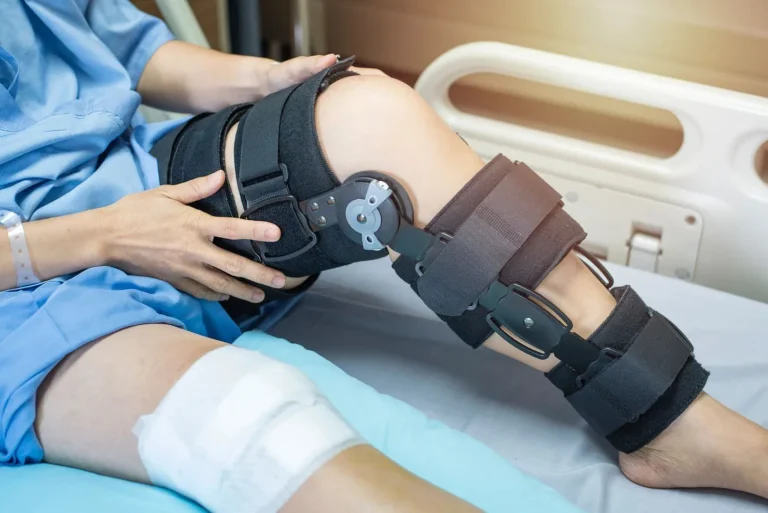
Most FT3D procedures take between 60 and 90 minutes under anaesthesia. After surgery, you will spend time in the recovery room while anaesthesia wears off, before being moved to your ward. Pain is managed proactively with a combination of medications tailored to your needs. Most patients are encouraged to begin gentle movement — including assisted standing or short walks — on the very day of surgery. Early movement is not optional enthusiasm; it is a clinically important part of reducing the risk of blood clots and initiating healthy joint function.

Days 2 to 3 — Early Mobility and Physiotherapy Begins

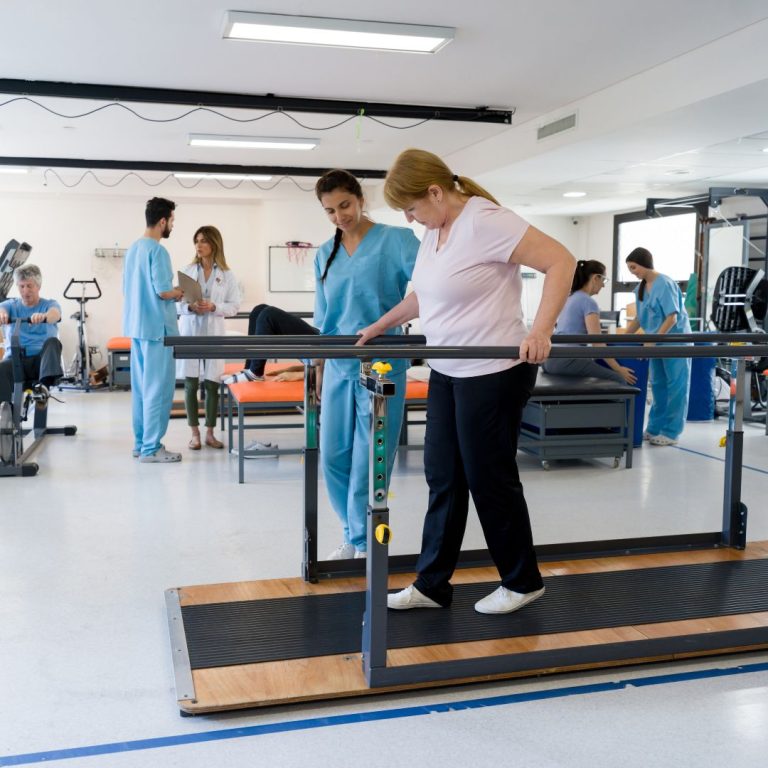
By day 2, the physiotherapy team begins a structured programme of exercises designed to restore range of motion and begin gentle weight-bearing. Most patients are able to walk short distances with the support of a walker or crutches by this point. Swelling is expected and normal. The goal during these early days is straightforward: demonstrate that the knee is moving, that swelling is manageable, and that you are stable enough for discharge.

Days 3 to 5 — Hospital Discharge

The majority of FT3D patients are discharged between 2 and 3 nights after surgery. At the time of discharge, you will be mobile with a walking aid, and you will leave with a clearly outlined physiotherapy programme to continue at home. Dr. Gill’s team will provide full instructions on wound care, medication management, activity guidelines, and when to contact the clinic if any concerns arise.

Weeks 1 to 2 — Home Recovery and Swelling Management

The first two weeks at home are focused on three priorities: managing swelling, consistently performing your physiotherapy exercises, and progressively increasing the weight you place on your operated leg. Ice packs, leg elevation, and prescribed anti-inflammatory medications all help keep swelling under control. Most patients are able to manage stairs comfortably within the first week. Pain during this phase is typically well-managed with standard oral medications, and many patients find they need less pain relief than they anticipated.

Weeks 3 to 4 — Building Strength and Independence

Swelling begins to reduce noticeably during this period, and many patients transition from a walker to a single crutch or walking stick. Longer walks become possible and are actively encouraged. Patients often begin to feel genuinely more capable during this phase — this is the period where the benefits of choosing a minimally targeted procedure like FT3D become most apparent. Driving is typically not recommended until around week 4 to 6, depending on which leg was operated on and your surgeon’s specific assessment.

Week 6 — Return to Normal Daily Activities

By the six-week mark, the majority of FT3D patients have returned to normal daily activity — household routines, moderate walking, social outings, and light work responsibilities. Formal physiotherapy may continue for several additional weeks to rebuild full strength and achieve optimal range of motion. This is also typically the point at which Dr. Gill conducts a follow-up assessment to review your progress and adjust any recommendations.

Months 3 to 6 — Full Functional Recovery

The knee continues to settle, strengthen, and refine its function over the months following surgery. Most FT3D patients reach full functional recovery — meaning they are walking comfortably, living actively, and free from the arthritic pain that brought them to surgery — within three to six months. Many patients who have undergone robotic knee replacement in Chandigarh with Dr. Gill report that by month 4 or 5, they have largely forgotten the knee was ever operated on. That is the goal.

What Factors Affect Your Recovery Speed?

While the timeline above applies to most patients, several individual factors can influence how quickly you recover.

  • Pre-operative fitness: Patients who are physically active before surgery and have stronger quadriceps muscles typically recover faster. Pre-operative physiotherapy — sometimes called “prehabilitation” — can meaningfully improve your post-surgery outcomes.
  • Body weight: Excess weight places additional load on the healing joint. Patients closer to a healthy weight often experience less post-operative pain and faster mobility gains.
  • Overall health and co-existing conditions: Conditions such as diabetes or cardiovascular disease can influence healing speed. These are discussed thoroughly during your pre-operative consultation with Dr. Gill.
  • Adherence to physiotherapy: This is perhaps the single most controllable factor. Patients who follow their physiotherapy programme consistently and diligently recover faster and achieve better long-term results than those who do not.
  • Support at home: Having family or a caregiver available to assist during the first two weeks at home significantly reduces stress and allows you to focus fully on recovery.

What Makes Dr. TS Gill’s Approach to Recovery Different

Dr. TS Gill is one of the leading specialists in robotic knee replacement in Chandigarh, with extensive experience in RoboLens FT3D resurfacing procedures. His approach to recovery is not an afterthought to surgery — it is a planned, structured programme that begins before the operation and continues well beyond discharge.

Patients receive detailed pre-operative education so that nothing about the recovery process comes as a surprise. The physiotherapy team works closely with Dr. Gill to ensure that every patient’s programme is appropriately calibrated to their individual condition and progress. Follow-up assessments are structured, not incidental. Questions are genuinely welcomed at every stage.

For patients travelling from other cities or regions to access robotic knee replacement in Chandigarh, Dr. Gill’s team also provides guidance on planning travel home safely and continuing rehabilitation effectively in your own city.

Frequently Asked Questions

How soon after FT3D surgery will I be able to walk without any support?

Most patients transition from a walker to a walking stick around weeks 3 to 4, and many are walking without any support by weeks 6 to 8. The exact timeline depends on individual progress, but the majority of Dr. Gill’s patients are fully independent in their walking well before the three-month mark. Your physiotherapy programme is specifically designed to get you there safely and efficiently.

Is RoboLens FT3D suitable for both knees if I have arthritis in both?

FT3D resurfacing is typically performed on one knee at a time. If you have significant arthritis in both knees, Dr. Gill will assess each joint individually and recommend a staged approach — allowing one knee to recover fully before addressing the other. This is the standard practice for patient safety and ensures each recovery period receives full focus and physiotherapy commitment.

How is robotic knee replacement in Chandigarh with Dr. Gill different from conventional knee surgery available elsewhere?

The core difference lies in precision, personalisation, and outcomes. Robotic-assisted surgery uses CT-based three-dimensional planning and intraoperative haptic feedback to execute bone cuts and implant positioning with a level of accuracy that manual surgery cannot consistently replicate. This reduces unnecessary tissue trauma, improves implant alignment, and contributes directly to faster recovery and longer implant longevity. Dr. Gill’s specific expertise with the RoboLens FT3D system, combined with his patient-centred approach to pre- and post-operative care, makes his practice a trusted destination for patients across the region.

Ready to Plan Your Recovery? Book a Consultation with Dr. TS Gill

Understanding your recovery before you commit to surgery is not just reasonable — it is the right way to make an informed decision. Dr. TS Gill welcomes patients at every stage of their decision-making process, whether you are ready to proceed or simply want to understand whether FT3D resurfacing is the right choice for your knee.

To schedule a consultation with Dr. Gill — one of the most experienced robotic knee replacement surgeons in Chandigarh — contact the clinic today. Come with your questions, your scans, and your concerns. Leave with a clear plan.

📞 Call us to book your consultation appointment with Dr. TS Gill.
🏥 Dr. TS Gill Orthopaedic, Chandigarh, India.
Your knee. Your recovery. In the right hands.

Full guide to RoboLens FT3D Knee Resurfacing
Book a Consultation with Dr TS Gill

Similar Posts

Leave a Reply

Your email address will not be published. Required fields are marked *