Dr Tarandeep Singh Gill — MS Ortho, MCh Ortho
Director – Joint Replacement & Robotic Surgery · RoboLens FT3D Pioneer · Max Super Speciality Hospital, Mohali
He walked in with a stick in one hand and his son’s arm in the other. Both knees, bowed and stiff, the kind of arthritis that makes the walk from the car park to the clinic feel like a trek. For patients exploring Robotic knee surgery Chandigarh, such mobility challenges often raise important questions about treatment options. His first question wasn’t about pain or recovery. It was this: “Can you do both knees at the same time? I don’t want to go through this twice.”
We hear that question almost every week. And honestly, it’s a fair one.
When both knees are worn out, the idea of one operation, one hospital stay and one round of rehab sounds far better than doing it all over again a few months later. Sometimes that’s exactly the right call. Sometimes it isn’t. The difference comes down to your health, your knees and your life at home, not to what sounds more convenient on paper.
Quick answer: Bilateral knee replacement means replacing both knees, either together in one operation (simultaneous) or one after the other a few weeks to months apart (staged). Doing both together means one hospital stay and one rehab period, and suits fit patients with both knees equally damaged. Staged surgery is usually safer for people with heart disease, diabetes, kidney problems or obesity. The right choice depends on a full medical assessment by an orthopaedic surgeon.
What “Bilateral Knee Replacement” Actually Means
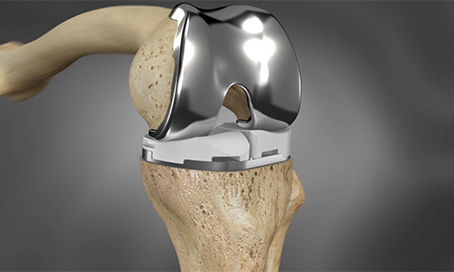
Bilateral simply means both sides. In a Robotic Knee Replacement Chandigarh, both knees get new joint surfaces. There are two ways to do it.
The first is simultaneous: both knees in a single operation, under one anaesthetic. The second is staged: one knee first, then the second knee after a gap, usually once the first knee has recovered well enough to carry you. That gap is typically a few weeks to a few months, depending on how quickly you bounce back.
Neither option is “more advanced” than the other. They’re two different paths to the same place, and the right one depends on who’s walking it.
Why Some Patients Do Better With Both Knees Together
The biggest benefit isn’t the single hospital bill, though families do care about that. It’s rehab.
Here’s the thing most guides skip over. When only one knee is replaced and the other is still badly arthritic, the “bad” knee often holds back the new one. You limp to protect it, you can’t fully straighten your stride, and physiotherapy becomes a tug of war between a knee that’s healing and a knee that still hurts. Do both together and you rehab one body, not two halves pulling in different directions.
Other practical upsides:
- One anaesthetic instead of two.
- One stretch of time off work, or one period where family members need to help at home.
- Usually a lower combined cost than two completely separate admissions.
For a reasonably fit person in their 50s or early 60s, with both knees equally bad and no major heart or lung problems, simultaneous surgery can make a lot of sense.
Why Staged Surgery Is Often the Safer Choice
Doing both knees at once is a bigger day for the body. More blood loss. Longer time under anaesthesia. A heavier load on the heart and lungs in the first few days. That’s not marketing language from either side; it’s simply what happens when you double the surgery.
For patients with heart disease, poorly controlled diabetes, kidney problems, significant obesity or a history of blood clots, that extra load matters. In these cases we usually recommend staging the surgeries. The first knee heals, your body settles, and the second operation happens when you’re genuinely ready.
Age on its own isn’t the deciding factor. We’ve seen fit 70-year-olds handle bilateral surgery comfortably, and 58-year-olds who were far better off doing one knee at a time. If you’re weighing surgery later in life, our guide on knee replacement after 65 goes into more detail.

What We Check Before Recommending Either Option
The decision is never made from an X-ray alone. Before suggesting simultaneous or staged surgery, a proper assessment looks at:
Your heart and lungs, through an ECG, an echo if needed, and a physician’s clearance. Your blood counts, sugar control and kidney function. How badly each knee is damaged, because sometimes one knee is clearly worse and the other can wait, or be treated with a less invasive option. And your support at home: who will help you in the first two weeks, whether you live in a ground-floor home or have stairs to deal with.
That last point gets underestimated. With both knees operated, you will need more help at home in the early days. Not forever. But the first fortnight is real.
If you’re still at the stage of deciding whether surgery is right at all, it helps to go in with a list. These ten questions to ask before knee replacement surgery are a good place to start.
Does Robotic Technology Change the Picture?
It helps, mainly with precision. With robotic-assisted planning, each knee’s implant is sized and positioned to that knee’s own anatomy, and when both knees are being done, that consistency matters. You want both legs balanced and aligned, not one knee that feels right and another that feels slightly off.
Dr TS Gill performs robotic knee replacement in Chandigarh and Mohali using RoboLens FT3D, a technique he developed. For patients whose cartilage damage is limited to part of the joint, FT3D knee resurfacing may preserve more of the natural knee than a full replacement, which can also influence whether both knees need the same procedure. Patients considering Robotic knee surgery Chandigarh can discuss whether robotic-assisted treatment is suitable for their condition.
Recovery After Knee Replacement Surgery Chandigarh: What It Really Feels Like With Two New Knees
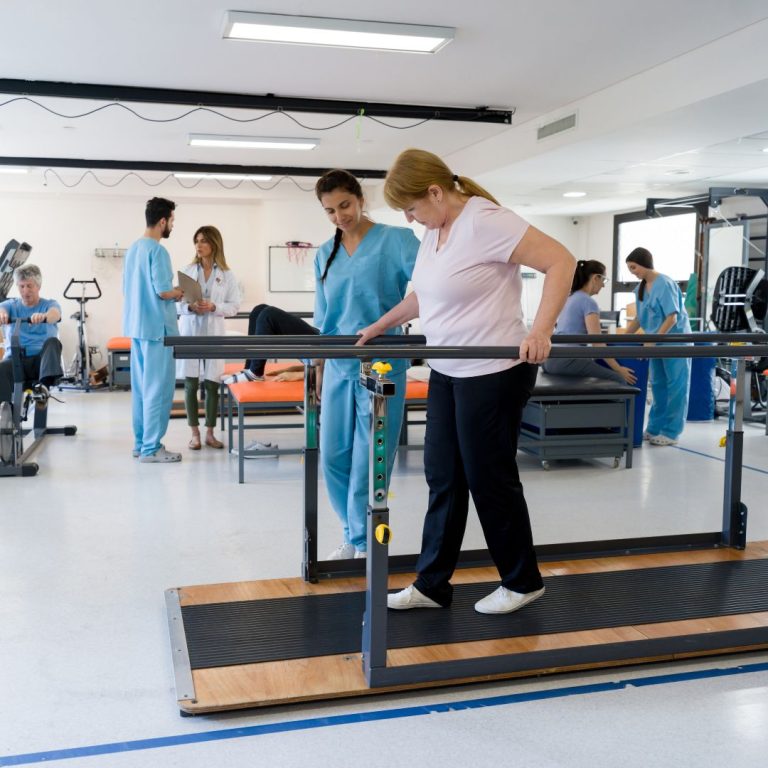
The first few days are harder than a single knee. Expect that. Standing and taking your first steps with a walker usually happens within a day or two, guided by the physiotherapist, but everything feels slower because neither leg can “carry” the other.
Then something interesting happens. Around the third or fourth week, many bilateral patients start catching up, and sometimes overtaking, people who had one knee done, simply because there’s no painful knee left to protect. Walking becomes more even. Posture straightens.
Physiotherapy is non-negotiable. Daily exercises at home, regular sessions, and patience with stiffness in the early weeks. If you want a sense of the timeline, our week-by-week knee replacement recovery guide walks through what typically happens and when.
Most people return to comfortable walking, household activity and short drives over the following weeks to couple of months, though timelines vary from person to person.
What About Cost?
A simultaneous bilateral surgery usually costs less in total than two separate admissions, because there’s one hospital stay, one operating theatre booking and one anaesthesia. The implant cost, of course, doubles either way. The exact figure depends on the implant, the hospital room category and your insurance cover, so it’s worth getting a written estimate after your assessment. Our article on knee replacement cost Chandigarh explains what usually goes into the bill.
So, One Surgery or Two?
If you’re healthy, both knees are equally worn and you have good support at home, doing both together can save you months of disruption. If your heart, sugar levels or overall fitness raise any concern, staging is the smarter, safer route. And it’s not a lesser outcome.
The right answer is personal. It should come from an examination, your reports and an honest conversation, not from a one-size-fits-all rule. If you’re exploring Knee replacement surgery Chandigarh, a detailed assessment can help determine the most appropriate approach.
Frequently Asked Questions
Is bilateral knee replacement safe?
For carefully selected patients, yes. The key is a thorough pre-surgery assessment of your heart, lungs, blood sugar and kidney function. Patients with significant medical conditions are usually advised to have the knees done in stages instead.
How long is the hospital stay for both knees?
It is usually a few days longer than a single knee replacement, because mobilising on two new knees takes a little more time. Your surgical team will discharge you once you can walk safely with support.
How long should I wait between knees if I choose staged surgery?
Most patients have the second knee done once the first has recovered well, typically after a few weeks to a few months. Your surgeon will decide the timing based on how your first knee is healing.
Can both knees be done with robotic surgery?
Yes. Robotic-assisted planning can be used for both knees, whether they are done together or in stages, which helps keep alignment and balance consistent between the two legs.
If both your knees are slowing you down, a proper assessment is the first step. You can book a consultation with Dr TS Gill at Max Super Speciality Hospital, Mohali, and walk out knowing which option actually fits you. Robotic knee surgery Chandigarh patients can discuss their treatment options with Dr TS Gill.