Dr Tarandeep Singh Gill — MS Ortho, MCh Ortho
Director – Joint Replacement & Robotic Surgery · RoboLens FT3D Pioneer · Max Super Speciality Hospital, Mohali
Panchkula sits close enough to Chandigarh and Mohali that patients often have options — multiple hospitals, multiple specialists, multiple opinions. That’s generally a good thing. The challenge is knowing which option is the right one for a specific problem, especially when you’re dealing with something as significant as joint pain or a musculoskeletal injury.
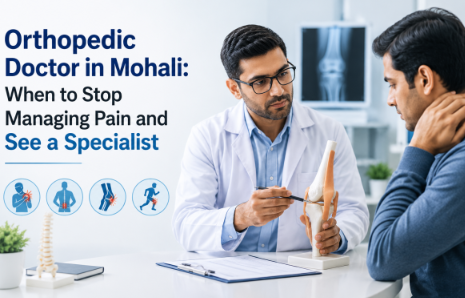
An orthopedic consultation for joint pain — knee, hip, shoulder, spine — is a diagnostic appointment first and a treatment appointment second. Understanding what happens in that first meeting helps patients come prepared, ask better questions, and make clearer decisions.
What the Surgeon Is Actually Assessing
A good orthopedic consultation follows a pattern: history, examination, imaging review, diagnosis, options. The surgeon wants to understand how the pain started, how it has progressed, what makes it worse, and how it is affecting your daily function. This history matters — a knee that was injured in a fall behaves differently from one that has been gradually worsening over three years.
The physical examination follows — checking range of motion, stability, strength, and specific clinical tests that point toward particular diagnoses. An experienced orthopedic surgeon can often identify the likely problem from examination alone, before imaging even enters the picture.
Bring Your Imaging — and Know What It Shows
If you’ve had X-rays or an MRI done, bring the films (not just the report). Reports summarize findings, but the surgeon often needs to see the images directly to assess bone quality, alignment, and soft tissue detail. If you haven’t had imaging yet, the surgeon will advise what’s needed based on the examination — not every joint problem requires an MRI immediately.
The Range of Outcomes from a First Appointment
A first orthopedic consultation doesn’t inevitably lead to surgery. Many patients leave with a physiotherapy referral, a medication plan, or simply clarity on what’s happening and what to watch for. Surgery is discussed when conservative treatment is unlikely to be sufficient or has already been tried. For patients in Panchkula dealing with knee or hip problems, Dr. TS Gill’s practice at Max Hospital Mohali is close enough to make specialist access straightforward.
Book a consultation here — the first appointment will give you a clear picture of what’s causing the problem and what the realistic options are.