Dr Tarandeep Singh Gill — MS Ortho, MCh Ortho
Director – Joint Replacement & Robotic Surgery · RoboLens FT3D Pioneer · Max Super Speciality Hospital, Mohali
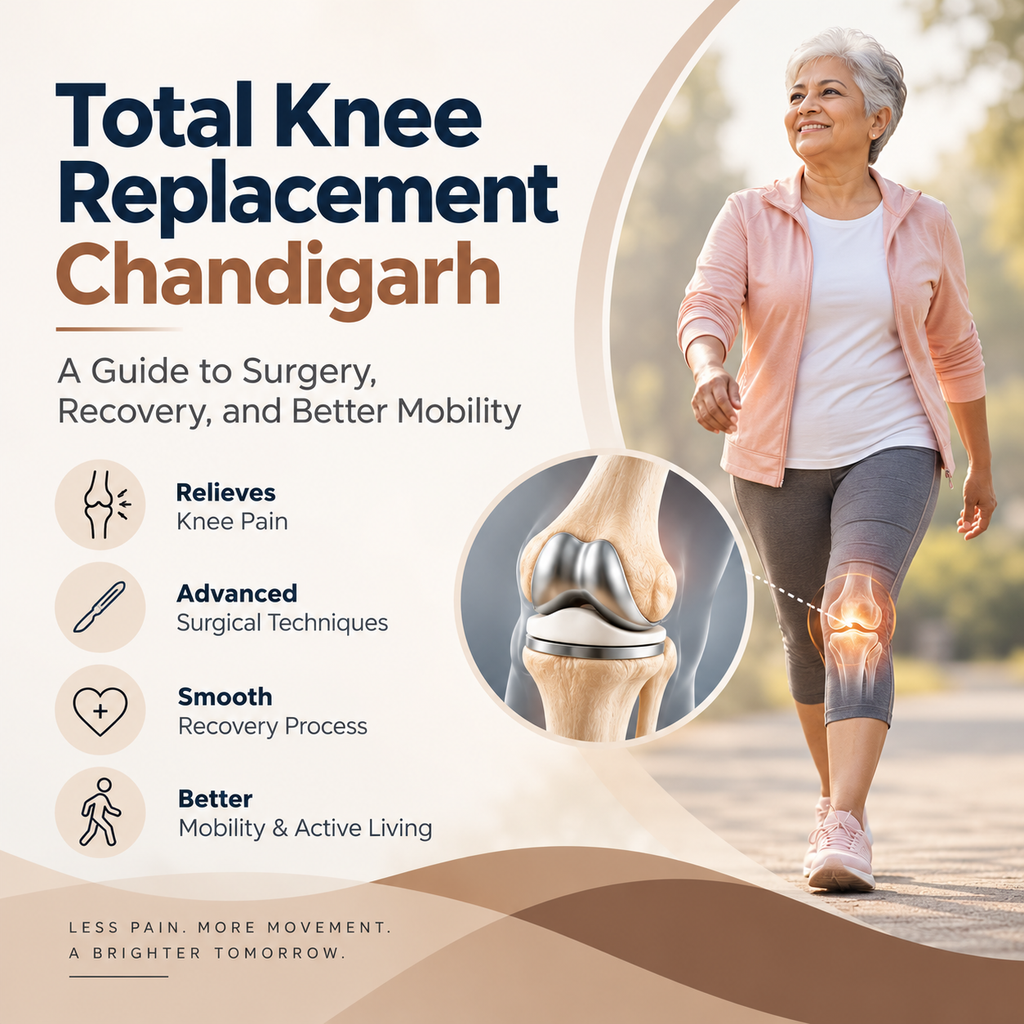
Chronic knee pain can interfere with daily activities, including walking, climbing stairs, standing for long periods, and getting a good night’s sleep. When medications, physiotherapy, and other non-surgical treatments fail to provide adequate relief, knee replacement surgery may be considered. Learning about the procedure and the available treatment options can help you make an informed decision about your joint health and long-term mobility.
If you are exploring Total knee replacement Chandigarh, consulting an experienced orthopaedic specialist is an important first step towards improving mobility and reducing pain.
What Is Total Knee Replacement?
A total knee replacement involves replacing damaged knee joint surfaces with prosthetic parts. It is frequently advised for those with severe joint damage after an injury, rheumatoid arthritis, or advanced osteoarthritis.
As cartilage wears away, the bones may rub against each other, causing pain, stiffness, swelling, and restricted movement. Knee replacement aims to relieve these symptoms and improve the joint’s function.
However, surgery is not necessary for every patient. An experienced Orthopedic doctor Chandigarh can assess your symptoms, examine your knee, review X-rays, and determine whether conservative treatment or surgery is appropriate.
When Should You Consider Knee Replacement Surgery?
Knee replacement may be considered when joint damage begins to affect your quality of life despite appropriate non-surgical treatment.
Common signs include:
Persistent knee pain during walking or standing.
Difficulty climbing stairs or getting up from a chair.
Stiffness that limits normal knee movement.
Pain that interferes with sleep or daily activities.
Noticeable changes in knee alignment.
Reduced independence because of restricted mobility.
The decision depends on your symptoms, examination findings, overall health, and personal goals rather than age alone.
How Robotic-Assisted Knee Replacement Can Help
Advances in orthopaedic surgery have introduced technology-assisted approaches that support more individualised surgical planning. Robotic-assisted knee replacement uses digital guidance and specialised instruments to help the surgeon plan implant positioning and assess alignment.
At Max Super Speciality Hospital in Mohali, Dr. Tarandeep Singh Gill provides modern joint care and robotic knee replacement. His approach combines clinical assessment, surgical expertise, appropriate technology, and structured rehabilitation.
For suitable patients, technology-assisted surgery may help the surgeon achieve precise implant positioning and balance the surrounding soft tissues. However, outcomes depend on several factors, including the patient’s condition, surgical technique, implant selection, and rehabilitation. Robotic assistance does not guarantee a particular result or eliminate all surgical risks.
Patients researching Total knee replacement Chandigarh should discuss the benefits, limitations, and suitability of each surgical approach with their surgeon.
What Happens During Recovery?
Recovery following knee replacement takes time and requires active participation from the patient. The hospital team generally encourages early movement when medically appropriate.
Your recovery plan may include:
Early mobilisation: Standing and walking with assistance when your medical team considers it safe.
Physiotherapy: Exercises to improve knee movement, strength, and stability.
Pain management: Prescribed medication and other measures to manage discomfort.
Wound care: Following instructions to keep the surgical site clean and monitor healing.
Regular follow-ups: Appointments to assess recovery and address concerns.
Some patients begin walking with assistance on the day of surgery, but recovery varies. Following your rehabilitation plan and attending follow-up appointments are essential for progress.
Choosing the Right Orthopaedic Specialist
Selecting a surgeon involves more than comparing technology or hospital facilities. Look for relevant qualifications, experience in joint replacement, clear communication, and a treatment plan tailored to your needs.
An experienced Orthopedic doctor Chandigarh should explain whether total or partial knee replacement is suitable, what risks to consider, and what you can realistically expect during recovery.
Dr. TS Gill focuses on knee arthritis, robotic knee replacement, partial knee replacement, and complex revision procedures. His approach emphasises careful evaluation, transparent discussions, and recovery planning based on individual needs.
Frequently Asked Questions
- How do I know if I need total knee replacement?
You may be a candidate if severe arthritis causes persistent pain and restricted movement despite appropriate non-surgical treatment. A clinical examination and imaging help determine the next step.
- Is robotic knee replacement better than conventional surgery?
Robotic assistance can support surgical planning and implant positioning. Whether it offers meaningful advantages for you depends on your condition, the surgeon’s experience, and the technology used.
- How long does recovery take after knee replacement?
Recovery varies between individuals. Many patients gradually resume everyday activities over several weeks, while strength, flexibility, and overall function may continue improving for several months.
- Can I walk after knee replacement surgery?
Many patients start walking with assistance soon after surgery, depending on their health and the surgical team’s assessment. Physiotherapy helps improve mobility safely.
- How can I book a consultation with Dr. TS Gill?
You can contact the clinic by phone or visit the official website to arrange an appointment and discuss your knee symptoms and treatment options.
Conclusion
It’s not necessary to give up your favourite pastimes if you suffer chronic knee discomfort. If you are considering Total knee replacement Chandigarh, a detailed assessment can help you understand your treatment options and make a confident decision. Consulting an experienced Orthopedic doctor Chandigarh such as Dr. Tarandeep Singh Gill can help you explore appropriate surgical or non-surgical care, with a focus on pain relief, mobility, and a structured recovery plan.
NAP
Doctor: Dr. T. S. Gill
Address: MAX SUPER SPECIALITY HOSPITAL
3RD FLOOR, NEW BLOCK B
PHASE 6, (SECTOR 56)
MOHALI, CHANDIGARH TRICITY
PUNJAB, INDIA
Phone: +91-82880 15106
+91- 62395 89197
Website: https://tsgillortho.com/
Google bussiness Profile: https://share.google/Nn5oiuycUi0s4WVTD