FT3D Knee Resurfacing for Younger Patients — A Different Way to Think About Knee Arthritis

When Knee Arthritis Strikes Before You’re Ready for a Full Replacement

Receiving a knee arthritis diagnosis in your late 40s or early 50s is a different kind of reckoning. The pain is real — sometimes severe — but the standard solution most people associate with serious knee arthritis, total knee replacement, comes with a catch. Knee replacements are not lifetime devices. They wear out. And if you have one placed at 48, the mathematics of revision surgery become uncomfortable very quickly. This is precisely why younger patients robotic knee replacement with significant knee arthritis often feel caught between two bad options: live with the pain, or undergo a major surgery that may need repeating at the worst possible time in life.

FT3D knee resurfacing, performed with robotic precision by Dr. TS Gill at his orthopaedic practice in Chandigarh, offers a genuinely different path — one that many patients in their 40s and 50s simply are not told about. This article explains what that path looks like, why it is particularly suited to younger, more active patients, and how robotic knee replacement in Chandigarh has evolved to offer solutions that were not robotic knee replacement available even a decade ago.


What “Too Young for Knee Replacement” Actually Means

When an orthopaedic surgeon tells a patient in their 40s that they are “too young for total knee replacement,” this is not a dismissal of their pain. It is a calculation about risk — specifically, the risk of revision surgery.

A total knee replacement implant typically lasts between 15 and 20 years under normal conditions. For a 72-year-old patient, this lifespan often covers the remainder of their active years. For a 48-year-old, the numbers tell a different story. A replacement done at 48 may require revision somewhere between the ages of 63 and 68 — a period when surgical risk is higher, recovery is harder, and the bone stock available for revision is diminished because the original surgery already removed a significant portion.

The Cost of “Waiting It Out”

The traditional answer to this problem has been to delay. Patients are managed with anti-inflammatory medications, corticosteroid injections, physiotherapy, and activity modification — not because these treatments resolve the problem, but because they buy time. For some patients, this approach works reasonably well. For many others, it means years of reduced mobility, chronic pain, interrupted sleep, and a life quietly built around avoiding the things that hurt their knee.

This is not an acceptable long-term solution when a targeted, bone-preserving alternative exists.


Understanding FT3D Knee Resurfacing — A Targeted Approach

FT3D knee resurfacing is a compartmental procedure. Rather than replacing the entire knee joint, it addresses only the compartment or compartments where the arthritis is concentrated. The damaged cartilage surface is removed and replaced with a precisely shaped implant. Everything else — the healthy cartilage in unaffected compartments, the cruciate and collateral ligaments, the surrounding bone — is left completely intact.

This distinction carries enormous clinical significance, particularly for younger patients.

Why Bone Preservation Changes the Equation

Total knee replacement requires the removal of substantial amounts of bone from both the femur and the tibia to accommodate the implant. Once that bone is gone, it cannot be restored. If the joint later requires revision, surgeons must work with compromised bone stock — making the procedure more complex, the outcomes less predictable, and the recovery more demanding.

FT3D removes far less bone. If a younger patient’s arthritis progresses to other compartments years down the line — which may or may not happen — a total knee replacement remains a straightforward option. The prior FT3D procedure does not complicate it. The patient has effectively preserved their future surgical options while getting meaningful relief now.

The RoboLens FT3D System — Precision at the Point of Surgery

Dr. TS Gill performs FT3D resurfacing using the RoboLens system, which creates a real-time, intraoperative 3D map of the patient’s knee geometry at the moment of surgery. This is a meaningful technical advantage. Many robotic systems used in robotic knee replacement in Chandigarh and elsewhere require a CT scan days before the procedure, which means the surgical plan is built on data collected when the patient is lying still on a scanner — not when the knee is loaded and positioned as it would be during movement.

The RoboLens approach allows Dr. Gill to make precise, data-informed decisions during the procedure itself, accounting for actual joint behaviour rather than pre-operative estimates. The result is an implant fit that is more accurately matched to how that individual patient’s knee actually functions.


Why Younger Patients Benefit Most from FT3D

FT3D resurfacing is available to patients across a range of ages, but its advantages align particularly well with the specific concerns of patients in their 40s and 50s. Here is why.

Faster Recovery Means Less Disruption to Working Life

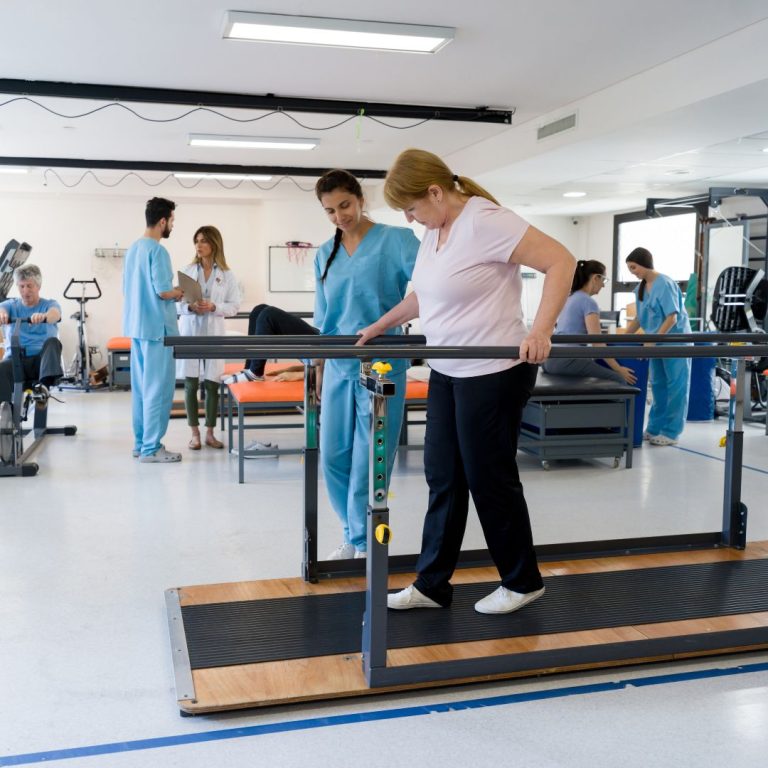
Total knee replacement typically involves a recovery period of three to six months before patients return to full normal activity. For someone in their late 40s or 50s who is still working, managing a household, and maintaining an active life, this timeline is significant. FT3D patients typically return to normal daily activity within four to six weeks. For many, return to light physical work and activity happens sooner still. This is not a minor convenience — for a patient who cannot afford months away from work or family responsibilities, it is a deciding factor.

A More Natural-Feeling Knee

Because the healthy compartments of the knee are untouched, the proprioceptive feedback — the body’s sense of where the joint is and how it is moving — is largely preserved. Many FT3D patients describe their post-surgery knee as feeling closer to their natural pre-arthritis knee than they expected. Patients who have undergone total knee replacement in one knee and FT3D in the other often note the difference clearly. This matters greatly to patients who want to remain active, return to sports, or simply walk, climb stairs, and live without constantly feeling that they have an artificial joint.

Deferring or Avoiding Total Replacement

For many younger patients, FT3D effectively defers total knee replacement by a decade or more — and in some cases, if the arthritis does not progress significantly, may mean total replacement is never needed. This represents a profoundly different life trajectory than the “wait and suffer” approach.


Who Is the Right Candidate for FT3D?

FT3D resurfacing works best when the arthritis is compartmental — meaning it is concentrated in one or two of the three sections of the knee joint rather than affecting the entire joint uniformly. The three compartments are the medial (inner), lateral (outer), and patellofemoral (front, between the kneecap and the thigh bone).

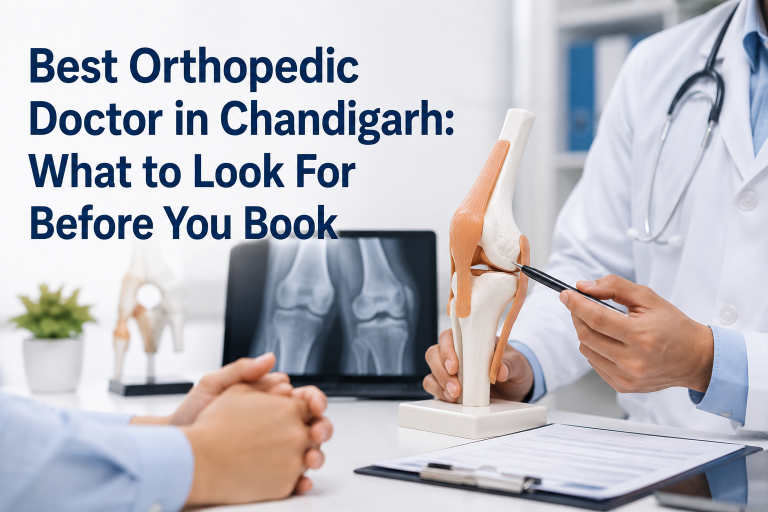
Patients in their 40s and 50s with medial compartment arthritis — the most common pattern — are frequently excellent candidates. Patients with patellofemoral arthritis causing anterior knee pain are also often good candidates. Dr. TS Gill evaluates candidacy during a dedicated consultation, reviewing X-rays, clinical examination findings, and the patient’s symptom history. This assessment determines whether the arthritis pattern is suitable for resurfacing and which compartments require treatment.

Conditions That May Affect Suitability

FT3D is not appropriate for every patient with knee arthritis. Those with advanced tri-compartmental arthritis — where all three compartments are significantly affected — are typically better served by total knee replacement. Significant knee deformity, prior major ligament injury, or inflammatory arthritis conditions may also affect candidacy. Dr. Gill’s consultation process is designed to give patients an honest, individual assessment rather than a one-size-fits-all recommendation.


About Dr. TS Gill — Robotic Knee Replacement in Chandigarh

Dr. TS Gill is a senior orthopaedic surgeon based in Chandigarh with specialised expertise in robotic knee replacement and resurfacing procedures. He is among the leading practitioners of RoboLens-assisted FT3D resurfacing in the region, combining advanced robotic technology with a patient-centred approach to surgical decision-making.

His practice focuses on ensuring that younger patients in particular are not simply told to “wait” — but are offered evidence-based, minimally disruptive options that address their pain now while protecting their future. For patients seeking robotic knee replacement in Chandigarh, Dr. Gill’s clinic offers a dedicated assessment process that begins with understanding each patient’s life, activity level, and goals — not just their X-rays.

If you have been told you are “too young” for knee replacement, or if you have been managing knee arthritis conservatively for years without adequate relief, a consultation with Dr. Gill is a meaningful next step.


Frequently Asked Questions

Q: Is FT3D knee resurfacing a new or experimental procedure?

FT3D knee resurfacing is a well-established orthopaedic procedure with a strong evidence base. Partial and compartmental knee resurfacing has been performed for several decades, and modern robotic-assisted systems like RoboLens have significantly improved the precision and reproducibility of outcomes. It is not experimental — it is a refined, targeted approach that has been underutilised in younger patients due to a historical preference for deferring all surgery until total replacement becomes appropriate.

Q: If I have FT3D now, can I still have a total knee replacement later if I need one?

Yes — and this is one of the most important advantages of FT3D for younger patients. Because the procedure preserves bone stock and leaves unaffected compartments untouched, conversion to total knee replacement later is a straightforward procedure. Surgeons performing the revision do not face the complications associated with revising a total knee replacement. Your future options remain open.

Q: How do I know if my arthritis is compartmental or total joint? Do I need special scans?

In most cases, standard weight-bearing X-rays and a thorough clinical examination provide sufficient information to assess whether your arthritis is compartmental. Dr. Gill reviews these during your consultation. In some cases, an MRI may be requested to evaluate cartilage in more detail. A CT scan is not required prior to RoboLens FT3D surgery, as the system maps the joint geometry intraoperatively — meaning the precision planning happens at the time of surgery itself, using real-time data.


Book a Consultation with Dr. TS Gill

If you are living with knee arthritis and feel that your only choices are to endure the pain or undergo major surgery, there may be a third option you have not yet considered. FT3D robotic knee resurfacing — delivered with the precision of the RoboLens system by Dr. TS Gill — is helping younger patients in Chandigarh and across the region reclaim their mobility without compromising their future.

To schedule a consultation and receive an honest, individual assessment of your knee, contact Dr. TS Gill’s clinic today. Early assessment means more options — and more options mean better outcomes.

  • Location: Chandigarh, India
  • Specialisation: Robotic Knee Replacement & FT3D Resurfacing
  • Suitable for: Patients in their 40s, 50s, and beyond with compartmental knee arthritis

Do not wait years in pain for a solution. The right solution may already be available to you.

Full guide to RoboLens FT3D Knee Resurfacing
Book a Consultation with Dr TS Gill

Similar Posts

Leave a Reply

Your email address will not be published. Required fields are marked *