Dr Tarandeep Singh Gill — MS Ortho, MCh Ortho
Director – Joint Replacement & Robotic Surgery · RoboLens FT3D Pioneer · Max Super Speciality Hospital, Mohali
Patients often arrive at the clinic already knowing the term “RoboLens FT3D” — they’ve seen it in a newspaper article, or a family member mentioned it, or they came across tsgillortho.com while researching knee surgery in Chandigarh. What most of them want is a plain explanation of what it actually does and whether it’s right for them.
What It Is
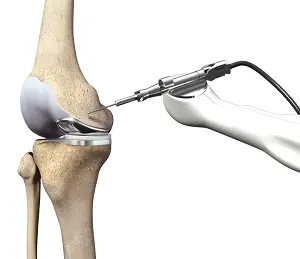
RoboLens FT3D is a robotic knee resurfacing system developed and used exclusively by Dr TS Gill at Max Hospital Mohali. It combines real-time intraoperative imaging (the “RoboLens” component) with a three-dimensional surgical technique (the “FT3D” component) to resurface damaged knee surfaces with precision that conventional surgery cannot achieve consistently.
It is not a total knee replacement. It is a more conservative procedure that treats only the damaged surfaces of the knee — preserving the rest of the joint anatomy, including the cruciate ligaments and any remaining healthy cartilage surfaces.
How It Works — Step by Step
Pre-operatively, there’s no CT scan. Standard blood work, ECG, anaesthesia assessment — the routine pre-surgical workup — is all that’s needed. This is one of the practical differences from most other robotic systems, which require a separate CT appointment and a 3D model to be built from it before surgery.
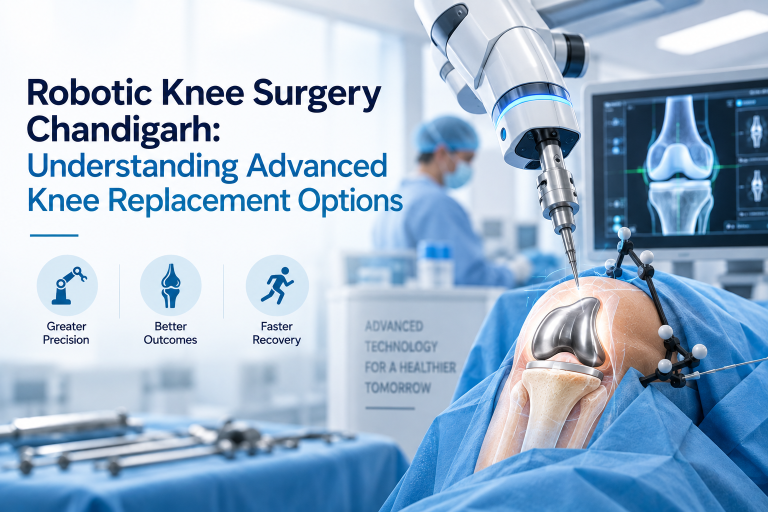
In the operating theatre, the patient is under spinal anaesthesia. The RoboLens system is set up alongside the surgical field. As Dr Gill begins operating, the system acquires fluoroscopic images — real-time X-ray from multiple angles — and processes them into a live 3D model of the knee’s actual geometry. This model updates continuously throughout the procedure.
Using this live data, the system plans exactly where each cut needs to go — the angle, depth, and position of the bone preparation for the resurfacing component. Dr Gill reviews the plan on a screen before making any cut. If the plan needs adjustment — because the anatomy looks different from what was expected — he adjusts it live. Only then does surgery proceed.
The cuts are made and the resurfacing components are fitted. The live imaging confirms positioning throughout. No post-operative CT is needed to verify alignment — the system tracks it during the procedure.
Who It’s For
The ideal candidate has isolated compartmental knee arthritis — Grade 3 or 4 in one or two compartments of the knee — with intact cruciate ligaments. Moderate deformity that’s correctable. Good bone stock. Age matters less than anatomy: active patients in their 40s and 50s benefit most, but well-selected older patients are also candidates.
Pan-compartmental arthritis (all three areas damaged), inflammatory arthritis, severe fixed deformity, or compromised ligaments — these point toward total replacement rather than resurfacing. The consultation is where this is determined from actual imaging and examination, not estimated from symptoms.
Book at tsgillortho.com/appointment or call +91-82880 15106. First appointment takes 30–45 minutes and includes X-ray review and a clear answer about which procedure, if any, is appropriate for your knee.