Dr Tarandeep Singh Gill — MS Ortho, MCh Ortho
Director – Joint Replacement & Robotic Surgery · RoboLens FT3D Pioneer · Max Super Speciality Hospital, Mohali

There’s a persistent belief among older patients — particularly those in their 70s and 80s — that they’re too old for knee replacement surgery. They’ve been managing the pain for years, they don’t want to be a burden on their families during recovery, and they assume the surgical risk is too high at their age. In the majority of cases, this is a misconception that’s costing them years of better mobility.
Age is not the primary deciding factor for knee replacement. Overall health is.
The Evidence on Older Patients
Multiple large studies have confirmed that the outcomes of knee replacement surgery for Patients Over 65 and even over 80 are excellent, provided the patient is medically fit for surgery. Pain relief is consistent, functional improvement is significant, and patient satisfaction rates are high across age groups. A healthy 75-year-old with well-controlled blood pressure and no major cardiac or respiratory problems is a suitable surgical candidate.
What changes with age is the pre-operative assessment. Older patients require a more thorough medical workup — cardiac evaluation, blood tests, assessment of bone density, and optimization of any medications that affect clotting or healing. The anesthesia team at a good facility will tailor the anaesthetic approach to the patient’s medical profile.
What Older Patients Worry About Most — and What the Reality Is
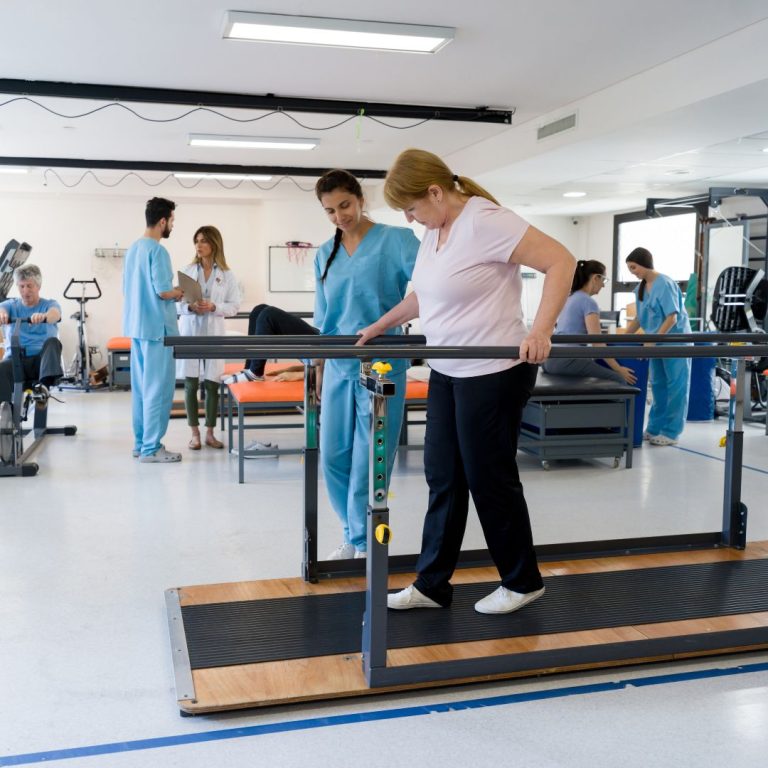
Recovery length: Older patients typically take slightly longer to regain strength and confidence than younger ones, but the trajectory is the same. Most are walking independently within 4–6 weeks and managing daily activities by 2–3 months.
DVT (blood clot) risk: This is higher in older patients and is taken seriously. Modern blood thinners, compression stockings, early mobilization, and hydration protocols have significantly reduced DVT rates. Your surgical team will have a specific protocol.
Implant lifespan: Modern implants last 15–20+ years. For a 72-year-old, this means the implant will almost certainly outlast the patient’s functional need for it. The concern about “running out of implant” is not relevant for most older patients.
The Cost of Not Having Surgery
Chronic severe knee pain in older patients reduces mobility, which reduces independence, which accelerates general physical and cognitive decline. The decision to avoid surgery isn’t risk-free — it has its own consequences. A 74-year-old who goes from walking 1km a day to barely managing their house due to knee pain loses far more than just mobility.
If you’re in Chandigarh, Mohali, or Panchkula and have been told (or assumed) you’re too old for knee replacement, a consultation with Dr. TS Gill will give you an honest assessment of your candidacy based on your health, not just your age.