Dr Tarandeep Singh Gill — MS Ortho, MCh Ortho
Director – Joint Replacement & Robotic Surgery · RoboLens FT3D Pioneer · Max Super Speciality Hospital, Mohali

Written & Reviewed By
Dr Tarandeep Singh Gill
MS (Orthopaedics) | Senior Consultant — Joint Replacement & Reconstructive Surgery
Pioneer of RoboLens FT3D knee resurfacing in North India. Over 5,000 joint replacement surgeries performed. Specialist in robotic knee replacement, hip replacement, revision surgery and complex joint conditions. Practising in Chandigarh since 2004.
Clinic: Chandigarh | Book a Consultation | Full Profile →
Hip replacement recovery has a reputation that’s about ten years out of date. Patients still come in expecting months of bed rest, zimmer frames for half a year, and a permanent list of things they can no longer do. The reality — with modern surgical technique and early mobilisation protocols — is substantially different.
Day of Surgery
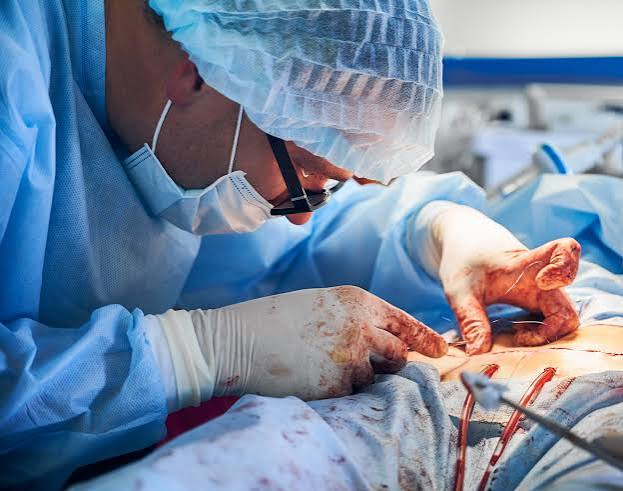
Surgery takes approximately 90 minutes under spinal anaesthesia. Within 4–6 hours of returning to the ward, the physiotherapist will help you stand. The first stand is often surprising for patients — the deep arthritic hip pain they came in with is gone. What remains is soreness from the incision, which is manageable and very different from what they’ve been living with.
Walking a few steps with a walker the same evening is the standard at Max Hospital Mohali. It’s not ceremonial — early mobilisation directly reduces the risk of deep vein thrombosis (DVT), a significant complication after any lower limb surgery.
Days 1–4: Hospital Phase
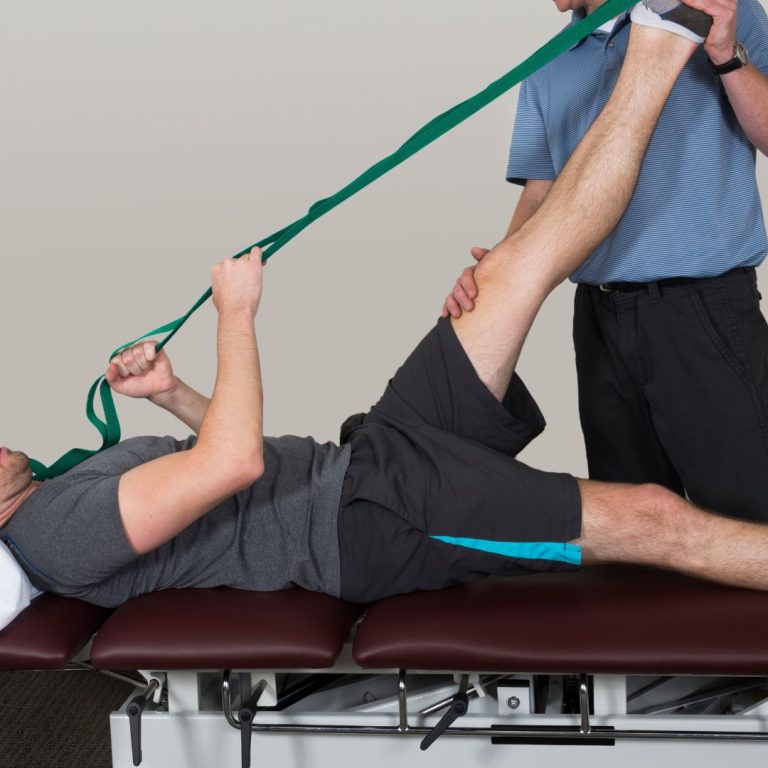
The first day post-surgery is about managing the transition from anaesthesia, establishing comfortable walking with a frame, and beginning basic hip exercises. The physiotherapist will teach you the specific movements and the precautions — which positions to avoid to prevent dislocation risk in the early weeks.
By day 2 or 3, most patients are managing stairs with supervision, transferring in and out of bed independently, and beginning to feel oriented toward home. Discharge typically happens at day 3–4 for straightforward cases, with a walker, pain medication, and clear written instructions for home exercises and hip precautions.
Weeks 1–6: The Main Recovery Window
The first two weeks at home involve short, frequent walks rather than sustained activity. The hip flexors and abductors — which were stretched and manipulated during surgery — need time to recover alongside the bone and soft tissue healing. Pain decreases significantly through this period, though it fluctuates day to day.
Hip precautions (avoiding bending the hip past 90 degrees, crossing the legs, or rotating inward) apply for the first 6–12 weeks depending on the surgical approach used. Anterior approach hip replacement has fewer precautions and a faster functional recovery; the posterior approach requires more careful precaution management. Dr Gill will specify which applies to your case.
The 6-week mark is the first formal review. Range of motion, gait, and function are assessed. Most patients are walking with one stick or none, managing home activities independently, and feeling significantly better than they did pre-surgery. The hip that was grinding and limiting sleep is now weight-bearing comfortably.
Months 3–12: Return to Normal Life
By 3 months, the majority of patients have returned to daily activities without significant restriction. Walking in the neighbourhood, driving (right hip — 8 weeks; left hip in automatic — 4–6 weeks), attending social events, and managing a full day on their feet are all typically possible.
Strength in the hip abductors and gluteals — which were temporarily weakened by surgery — keeps improving through 6–12 months. Patients who maintain their physiotherapy exercises through this period consistently have better outcomes at the 1-year mark than those who stop as soon as they feel good. Worth knowing before you decide to stop.
For most patients, hip replacement at Max Hospital Mohali means one surgery that changes the quality of life for the next 20+ years. The recovery is real work, but it’s finite — and the other side of it is worth it for the vast majority of patients who go through it.