Dr Tarandeep Singh Gill — MS Ortho, MCh Ortho
Director – Joint Replacement & Robotic Surgery · RoboLens FT3D Pioneer · Max Super Speciality Hospital, Mohali
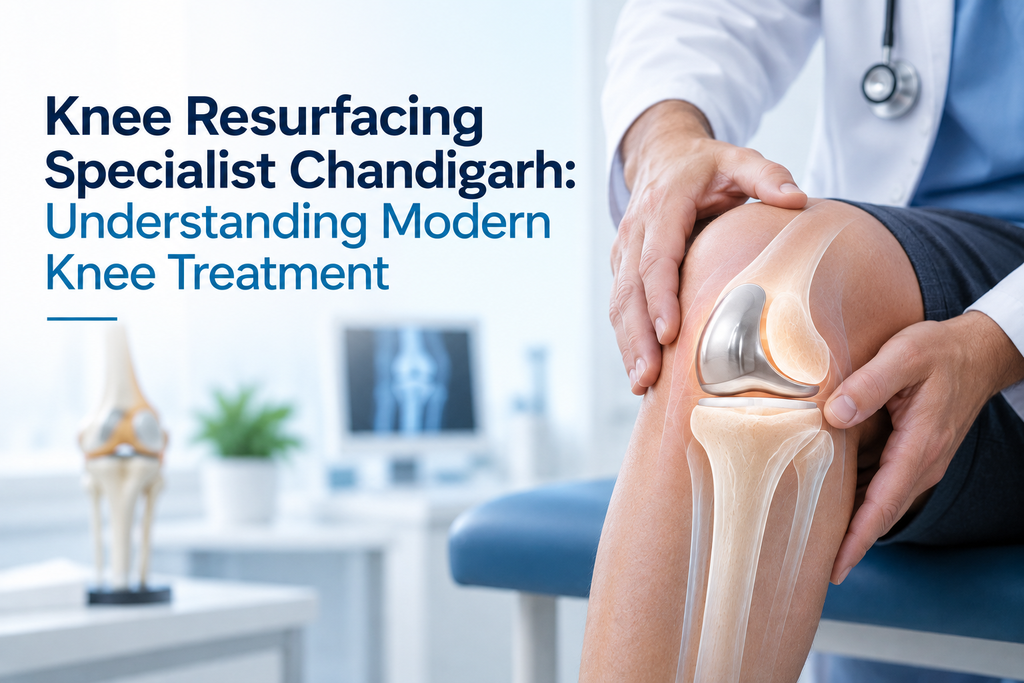
Knee problems, even mild, can adversely affect many activities like exercising, walking, and standing. Though most cases of the knee damage can be managed by physiotherapy, medications, changes in lifestyle or sometimes even without much intervention, irreplaceable damage to the knee joint may warrant surgical intervention.
Patients in need of surgical intervention for the knee would benefit from a visit to a knee resurfacing specialist Chandigarh. Joint resurfacing surgery aims to replace the affected joint surfaces and to provide treatment with the least impact on the knee structure. The extent of the damage, anatomy and the affected area will determine the approach to the surgery.
What is Knee Resurfacing?
Knee resurfacing is a less invasive surgical procedure compared to knee joint replacements. In this surgery, the damaged surfaces of the knee joint are removed and replaced with artificial surfaces. Since this surgery involves less surgical removal, more bone preservation is ensured.
The knee joint is made up of three main parts i.e. patellofemoral, medial and lateral. The location and extent of the damage will influence the choice of the surgery..
A partial or total knee joint replacement surgery may be the recommendation of the surgeon depending on the extent of the damage caused to the knee joint. A clinical and radiological assessment is required prior to the surgery.
Who may need Knee Resurfacing?
Resurfacing surgery or replacement of the joint may be necessary for patients experiencing significant joint damage and lifelimiting symptoms.
Common causes of serious knee problems are:
Advanced cases of osteoarthritis
Cartilage degeneration
Past injury to the knee
Some inflammatory joint conditions
Post traumatic arthritis
Joint degeneration as a result of aging
Some symptoms are ongoing pain in the knee region, stiffness in the knees, swelling, and limited range of motion. There may also be pain when walking or climbing stairs.
However, just having knee pain does not mean that surgical replacement or resurfacing is necessary. The specialist needs to undertake an evaluation to determine the cause of the symptoms and determine if pain is due to something that can be resolved by non-surgical methods.
What Does an Evaluation by a Knee Resurfacing Specialist Involve?
The first step for a specialist in knee resurfacing Chandigarh is to analyze the current symptoms and the history. The specialist will want to know all the details about the pain they experience, previous injuries, their physical activity level, their medications, their lifestyle, and how the injury is affecting them.
The specialist may want to assess the range of motion, monitor knee alignment, test the stability and strength of the muscles around the affected knee, check for swelling and tenderness, and observe alignment of the feet and hips.
X-rays may be the first line imaging studies. Other imaging studies may be recommended as needed.
The goal of the evaluation is to help the surgeon decide if knee resurfacing, partial replacement, total replacement or a non-surgical treatment plan is the best option for the patient.
Current State of the Art in Knee Replacement
The latest technology in the field of orthopedics has changed the way knee replacement surgeries are performed. There are now many hospitals and surgeons that utilize technology assisted methods. Computer assisted surgery, implant planning and surgery with the help of 3D imaging andposition sensing navigation and/or robotic surgery are all considered to be advancements in orthopedic surgery.
These technologies give surgeons more information about knee anatomy to inform where to place and align implants during surgery. These technologies also guide surgeons during surgery with processing information and instructions for certain surgical steps.
Technology offers surgeons tools and helps to guide them during surgery, but it should not be a replacement for the skill, knowledge, and experience of the surgeon. There are many elements to consider for surgery beyond technology. These include the patient, selection, experience, and rehabilitation.
The potential benefits of knee resurfacing
Knee resurfacing or replacement surgery helps to reduce chronic knee pain and improve the functioning of the knee to help the patient more easily perform daily activities. Surgery can also help restore knee function and improve Independence and the quality of life.
Reduction in chronic knee pain
Improved mobility
Better ability to perform daily activities
Improved knee function
Greater independence
Improved quality of life
Individual results may vary. Recovery will depend on many factors including the patient’s age, health, the participation in rehabilitation, surgery technique, adherence to the rehabilitation program, and the severity of the joint damage.
What to expect during recovery
Recovery is an important part of knee treatment. Movement and rehabilitation will begin depending on the surgeon’s instruction after surgery.
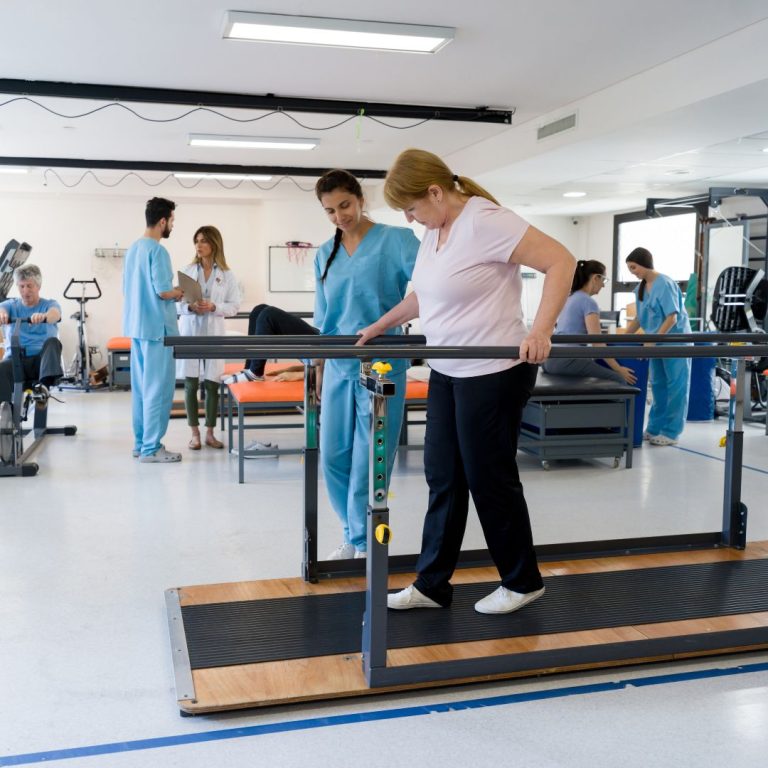
Recovery after surgery helps improve the flexibility of the knee, strengthens the muscles, and improves the balance and walking ability. Rehabilitation exercises will be progress at a slow pace based on the patient’s recovery.
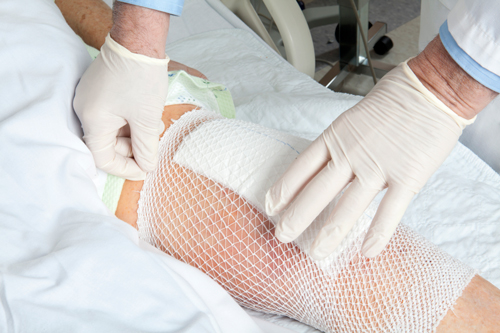
It is important for patients to follow all medical advice including wound care, medications, exercising, restrictions on activity, and weight-bearing. Returning to physical activities too soon can impact the recovery.
The time it takes for patients to return to normal daily activities will depend on many factors. The surgery, fitness level, overall health and adherence to a formal rehabilitation program will determine how quickly patients progress.
Why Choosing the Right Specialist Matters
Expanding beyond location, patients seeking a Knee resurfacing specialist Chandigarh should evaluate a surgeon’s qualifications, experience, and knee surgery proficiency.
Considering the following factors is important:
- Their orthopaedic qualifications and training
- Their experience with knee resurfacings and replacements
- Their proficiency in treating arthritis and knee problems
- The availability of assisted and up-to-date diagnostic tools
- The availability of proper surgical equipment and infrastructure
- Post-surgery rehabilitative care, and physiotherapy
- How well the surgeon informs you on the different treatment options available
It is also vital to ask about the surgery you have been suggested, the pros and cons, the recovery time and the activities you will be able to do post surgery.
Is Knee Resurfacing Applicable to Everyone?
Deciding on a surgery is never easy. It really depends on the severity and extent of the joint damage, your overall and bone health, your age, the level of activity you engage in, and a host of other medical variables.
Some may require no treatment at all, others may only need some minor corrections while still others may be more appropriate candidates of total knee replacement.
No surgery should be entertained until it is completely evaluated.
Conclusion
Modern knee treatments have made it so that patients have many options when it comes to painful joints and degenerating conditions. A good Knee resurfacing specialist Chandigarh or Knee resurfacing specialist Mohali will be able to make an accurate assessment on your condition and explain the options for knee resurfacing, partial replacement, total replacement, or if conservative care would be more prudent.
If knee pain disrupts your work or daily activities, sleeping, or mobility, you should consider orthopaedic evaluation. Many patients gain improved mobility after diagnosis, personalized treatment, surgical planning, and rehabilitation.