Dr Tarandeep Singh Gill — MS Ortho, MCh Ortho
Director – Joint Replacement & Robotic Surgery · RoboLens FT3D Pioneer · Max Super Speciality Hospital, Mohali
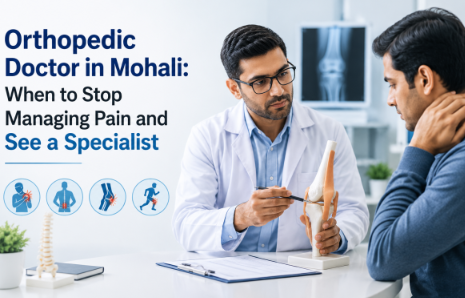
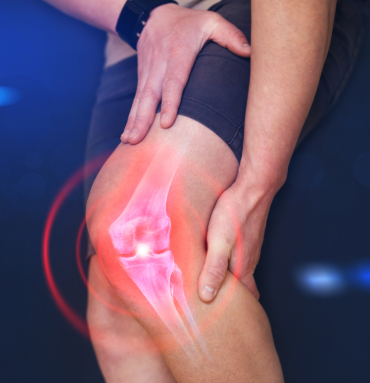
There’s a pattern that most orthopedic doctor in Mohali will recognize immediately. A patient walks in and says they’ve had knee pain for 14 months. They’ve tried physiotherapy twice, done a round of anti-inflammatories, cut back on stairs, and stopped walking for exercise. And they’re still in pain. They waited this long because they weren’t sure if they really needed a specialist.
In most of those cases, the delay didn’t help anything. A few made the underlying condition worse.
Signs You’ve Moved Past the “Wait and See” Stage
General practitioners and physiotherapists handle a lot of musculoskeletal complaints well. But there are specific situations where an orthopedic specialist is the right next step an orthopedic specialist — not a last resort.
- Pain that hasn’t improved after 6–8 weeks of conservative treatment. Rest, physiotherapy, and anti-inflammatories work for a lot of conditions. If they haven’t moved the needle after two months, something else is going on.
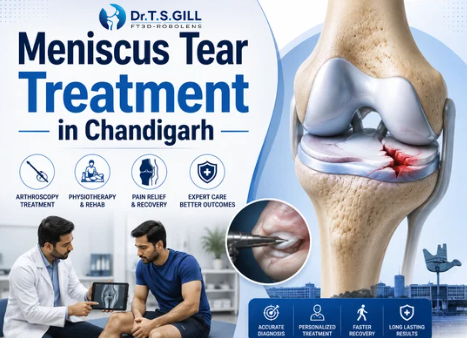
- Joint swelling that keeps coming back. Recurring effusion (fluid in the joint) usually signals structural damage — cartilage wear, a meniscus tear, or ligament instability. These don’t resolve on their own.
- Pain that’s changed how you walk, sleep, or move. When pain starts reorganizing your life — you’re avoiding stairs, sleeping on one side only, limping through the day — it’s past the point of managing and into the territory of treating.
- An injury that didn’t heal properly. ACL tears, meniscus injuries, and fractures that weren’t treated correctly the first time often need specialist attention later.
What an Orthopedic Consultation in Mohali Actually Involves
A first appointment with an Bone doctor Mohali it is diagnostic, not immediately surgical. The surgeon will review your imaging (X-rays, MRI if you have one), examine the joint, and give you a clear picture of what’s damaged and what the options are. Most consultations result in a range of treatment options — from injections to physiotherapy protocols to surgery — depending on severity.
In Mohali specifically, Dr. Tarandeep Singh Gill at Max Hospital focuses on knee and hip joint problems, including complex cases that weren’t resolved elsewhere. His approach to the first consultation is assessment-first — you won’t be pushed toward surgery if it isn’t the right answer for your stage of condition.
The Cost of Waiting
Cartilage doesn’t regenerate. A grade 2 cartilage wear that gets left alone for two years often becomes grade 4 — bone on bone — which means a total replacement instead of a partial one. What could have been a less invasive, quicker-recovery procedure becomes major surgery because the window for the simpler option closed.
This isn’t meant to alarm anyone. It’s just the clinical reality of degenerative joint disease. Earlier assessment means more options on the table.
If you’re in Mohali, Kharar, Landran, or the surrounding areas and you’ve been tolerating joint pain without a clear answer on what’s causing it, scheduling a consultation is the right move. You’ll at minimum walk away knowing exactly what you’re dealing with.