Dr Tarandeep Singh Gill — MS Ortho, MCh Ortho
Director – Joint Replacement & Robotic Surgery · RoboLens FT3D Pioneer · Max Super Speciality Hospital, Mohali
Knee problems are common and can affect people of all ages. Possible causes range from sports injuries to osteoarthritis to normal, wear and tear injuries. Some of these conditions may be treated with medications and/or physical therapy, while others may require surgery.
There have been recent developments in surgical techniques that allow knee conditions to be diagnosed and treated with very small incisions. If you are considering minimally invasive knee surgery Chandigarh, it is important that you evaluate the procedure and its advantages, as well as the conditions for which this type of surgical procedure is appropriate.
What is Minimally Invasive Knee Surgery?
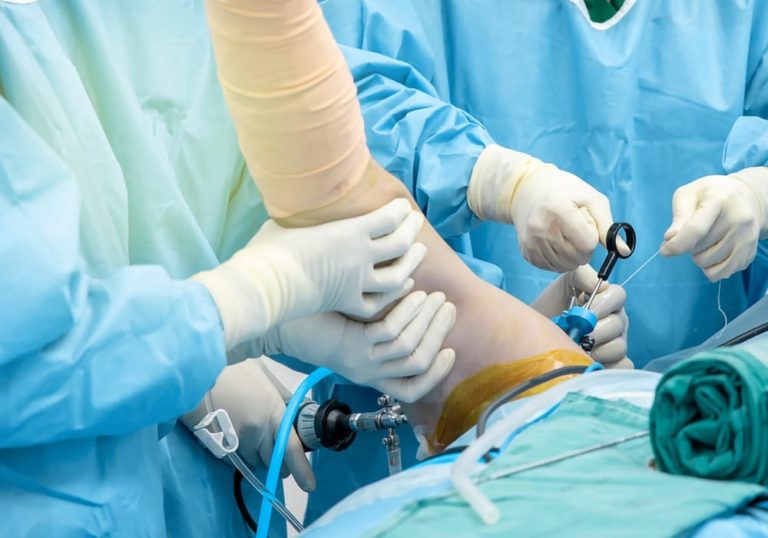
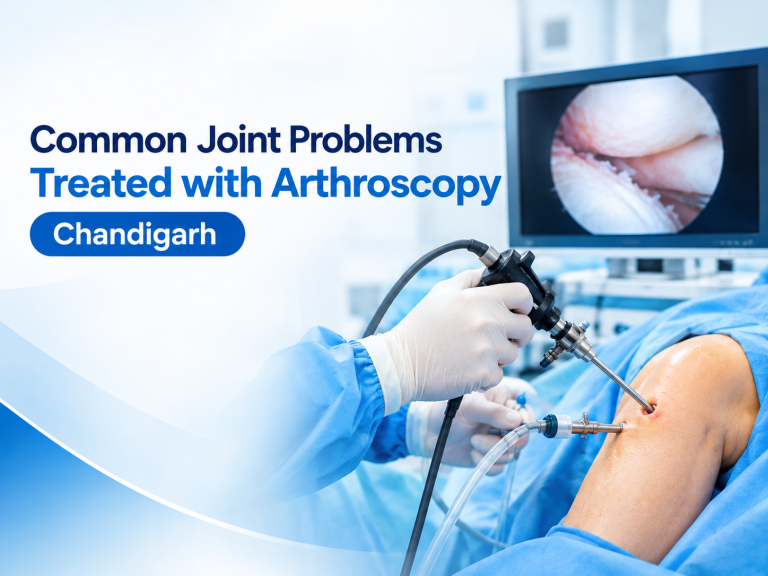
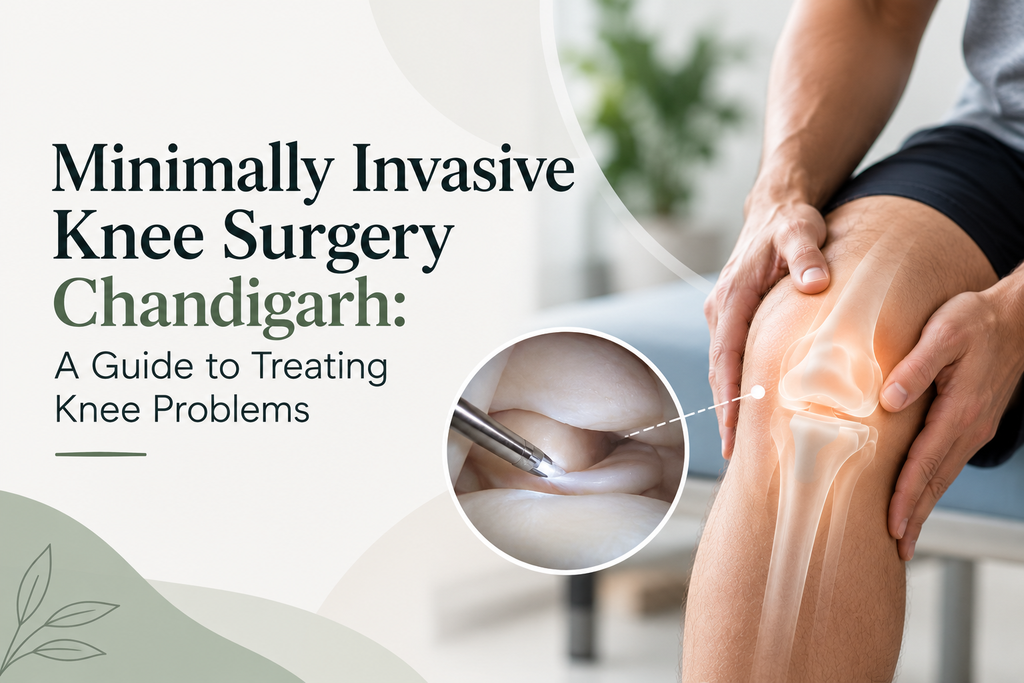
Several surgical techniques have been developed to allow treatment of various knee conditions using small incisions and small instruments. One of these techniques is knee arthroscopy in which a small camera is inserted into the knee through a small incision to visualize knee structures.
Other small instruments may be used to remove or repair damaged structures of the knee. Depending upon the condition of the knee, cartilage may be removed, a damaged meniscus may be repaired or a ligament may be reconstructed.
In any case, the goal is to provide relief to the patient who has knee symptoms and improve his/her function.
What Types of Knee Problems Are There?
Minimally invasive procedures are used for selected knee problems. Examples of these problems include:
- Injuries to the knee meniscus
- Knee ligament injuries
- Injuries to the knee artilage
- Various knee injuries sustained by athletes
- Loose foreign bodies within the knee joint
- Various causes of long term kneel injury that results to knee pain and stiffness
- Various inflammatory and degenerative conditions affecting the knee
Not all of the knee problems are treated by using a minimally invasive surgery. More advanced conditions such as end stage arthritis of the knee, and knee conditions where the cartilage has deteriorated requiring a knee replacement are treated by using more invasive surgery.
Prior to deciding to undergo surgery, you should consult and see an orthopedic surgeon.
When is Surgery Indicated?
Generally, for a condition to be considered for surgery, a thorough evaluation of the knee should be done to come up with an exact diagnosis. In addition, various treatment strategies should be attempted to relieve the symptoms. Examples of these treatment strategies include medical management, physical therapy, exercise, weight loss if you are overweight, and modification of your activities of daily living.
Various knee conditions have been reported to improve significantly following surgical treatment. Improvement is reported to occur especially in conditions where symptoms have limited your ability to perform your normal daily activities.
Minimally invasive surgery should be performed on the appropriate patient. Benefits of this type of surgery include less post-op pain, smaller incisions, and less soft tissue trauma when compared to conventional surgery.
This surgical technique can lead to many advantages for the patient.
Less extensive surgical incisions
Less disruption to the soft tissues
less pain and discomfort after surgery
Early resumption of normal activities
Minimizes scar formation
Optimizes and structures the rehabilitation and recovery program
Results can vary. This will depend on the condition of the knee as well as the patient’s general health and level of activity.
Planning
The surgeon will review the patient’s general health and condition as well as review what symptoms limited the patient’s general function and activity.
A thorough evaluation will also help identify other medical issues the patient may have.
The goal of the evaluation is to aid in the development of a treatment plan and determine if surgery is appropriate.
During minimally invasive knee surgery, the surgeon inserts a fiber optic camera into the knee through very small incisions. Based on the information gathered, the surgeon can determine the best course of action to treat the patient.
Treatment can include removing damaged meniscus or other defective or injured articular cartilage. The surgeon can also repair a damaged or injured ACL or PCL.
What will my recovery be like?
This will depend on your individual condition and the nature of your surgery. Some surgery may allow you to begin walking the same day. Other surgery may mean a prolonged stay in hospital and an extensive rehabilitation program.
One or more of the following goals may be included in your rehabilitation program:
Regaining the full range of movement of your knee
Reducing knee swelling
Improving the strength of your leg muscles
Improving your balance and ability to stabilize your knee
Managing your activities and work
Returning to sports and other recreational activities
It is recommended that you follow your surgeon’s instructions and your physiotherapy program in order to facilitate your recovery.
How should I pick the right knee surgeon?
If you are looking for a surgeon to perform minimally invasive knee surgery Chandigarh, you should check the surgeon’s training and experience, the hospitals where the surgery will be performed, and the rehabilitation program.
Your surgeon should give you information about your diagnosis and the treatment options. You should also ask about the treatment’s risks, expected benefits, and what your recovery will be like. You should also ask about what your rehabilitation will be like and what your alternatives are.
You should get a second opinion if you are unsure about your treatment.
What are the risks?
There is a risk of infection and bleeding after any surgery. Other risks may include blood clots, stiffness, nerve or tissue damage, or pain. Your surgeon should explain what risks there are and what the expected benefits are of the surgery.
Conclusion
In this article, we discussed the benefits of minimally invasive knee surgery Chandigarh. We also talked about some of the conditions for which minimally invasive knee surgery is the best treatment option. Conditions like some meniscus tears, ligament injuries, cartilage problems, and other knee problems can be treated with minimally invasive knee surgery. However, in order to confirm if your condition can be treated with minimally invasive surgery, you need to consult a surgeon.
There are conditions where surgery is the only treatment option. One of such conditions is when your knee joint is damaged and you experience pain, instability, and restricted movements in your knee. If surgery is the last option, it is important that you consult an Orthopedic surgeon Chandigarh to help you understand all the treatment options that are available to you.
NAP Details
Name: Dr. Tarandeep Singh Gill
Address: Max Super Speciality Hospital, 3rd Floor, New Block B, Phase 6 (Sector 56), Mohali, Chandigarh Tricity, Punjab, India.
Phone: +91 82880 15106
Website: https://tsgillortho.com/
Google Business Profile: https://share.google/fvc7npKyTK6ecYGgY