Dr Tarandeep Singh Gill — MS Ortho, MCh Ortho
Director – Joint Replacement & Robotic Surgery · RoboLens FT3D Pioneer · Max Super Speciality Hospital, Mohali
Orthopedic medicine has made a number of advancements and improvements in the diagnosis and treatment of patients in recent years. An example of one such advancement is Arthroscopy. Arthroscopy is an example of a minimally invasive orthopedic procedure.
Many patients seeking Arthroscopy in Chandigarh services prefer this modern technique because it provides accurate diagnosis, results in smaller incisions, has a faster recovery period, and has a greater success rate in treating many joint issues.
What is Arthroscopy?
Arthroscopy is a technique used to treat and/or diagnose the cause of pain in a number of joints, including the knee, shoulder, ankle, hip, and elbow.
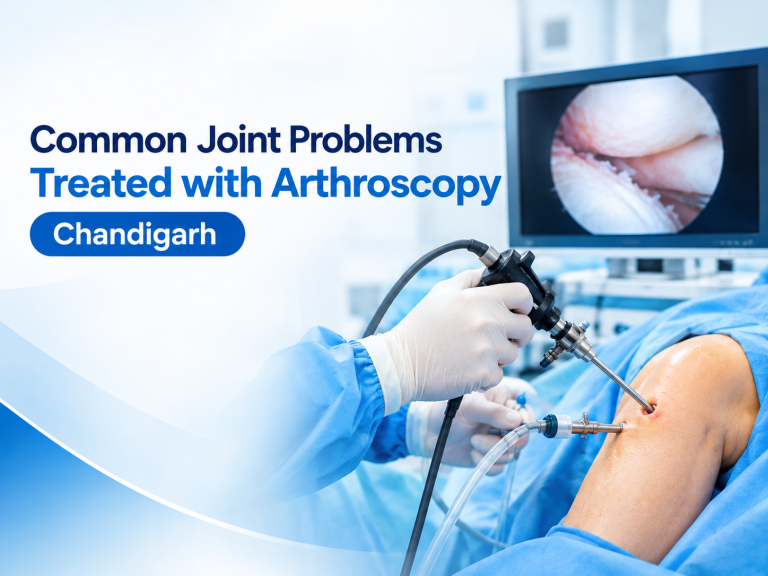
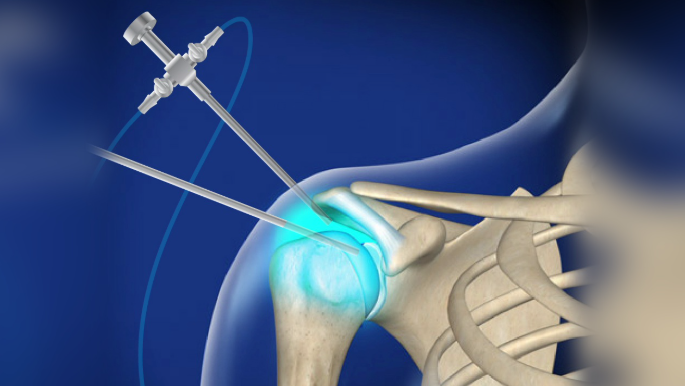
When performing this procedure, a very small camera called an arthroscope is placed in the joint through a small incision. The camera is hooked to a computer and displays high quality diagnostic images in real time.
This technique is one of the most widely practiced procedures in orthopedic medicine and is becoming increasingly more popular because it provides highly accurate results and is less invasive in nature.
Why Getting the Right Diagnosis for Joint Conditions is Important
There are a number of joint conditions that are very similar to each other, and can be characterized by:
Pain
Swelling
Stiffness
Limited range of motion
Joint instability
The joint may also produce symptoms such as clicking or locking
Imaging tests like X-rays and MRIs, along with physical exams, can provide some answers, but won’t always provide the full picture.
With arthroscopy, surgeons can visualize the structures of the joint and can see the structures that make up:
Cartilage
Ligaments
Tendons
Meniscus
The lining of the joint
The surfaces of the bones
Seeing these structures helps surgeons to make a more accurate diagnosis and create a more effective treatment plan.
Conditions that are Treated with Arthroscopy
A number of different orthopaedic conditions can be diagnosed and treated with the help of arthroscopy.
Knee Injuries
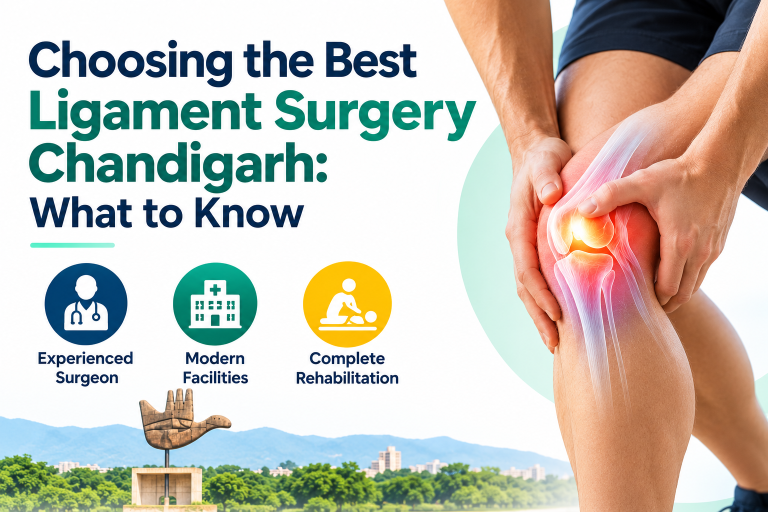
One joint that is frequently treated with arthroscopy is the knee joint.
Conditions can include:
Tears of the meniscus
Injuries to the ACL or PCL
Cartilage injuries
Loose bones
Inflammation of the synovium
Because of the minimally invasive nature of this surgery, many athletes and people with a lot of activity in their daily lives appreciate that their recovery time from surgery is limited.
Shoulder Problems
Many of the issues that are treated in shoulder arthroscopy are:
Tears of the rotator cuff
Shoulder instability
Injuries to the labrum
Impingement syndrome
Frozen shoulder
Shoulder arthroscopy is a great procedure to help regain full function to the shoulder while limiting trauma to the other tissues in the shoulder.
Ankle Injuries
Ankle arthroscopy can be used for:
Ligament damage
Cartilage injury
Ankle pain
Bone fragments
Joint pain
Hip Joint Disorders
Improvements in hip joint technology has made hip arthroscopy a viable option for:
Labral injury
FAI
Cartilage damage
Hip joint pain
Elbow and Wrist Disorders
An arthroscopic procedure can be used to treat:
Decreased range of motion
Cartilage injury
Joint pain
Injuries caused by trauma
Benefits of Arthroscopy
Arthroscopic surgery has become a more popular option for patients who require surgery due to the less invasive nature of the surgery.
1. Less Invasive Surgery
Open joint surgery requires a large incision to access the joint.
Arthroscopic surgery requires tiny incisions which leads to:
Less damage to the body
Less pain
Less scarring
Better cosmetic result
2. Better Diagnosis
Surgeons can view the interior of the joint which allows the surgeon to diagnose a condition which may not have been visible in an x-ray.
The condition can be treated in the same surgery.
3. Less Postoperative Pain
Since arthroscopic surgery is less invasive, surgery causes less pain.
4. Better and Quicker Recovery
Since surgery is less painful, recovery and rehabilitation is faster.
5. Low Risk of Problems
Arthroscopic surgery reduces the risk of:
Infections
Surgery delay
Joint damage
Longer Hospital Stay
6. Better Joint Function
Arthroscopy surgery repairs the structure of the joint which allows for the joint to be stable and improve the range of motion.
How is Arthroscopy Done?
The Initial Evaluation
This stage includes a thorough consultation with your doctor, followed by a detailed physical examination.
Your orthopedic doctor may order the following:
– X-rays
– MRIs
– Ultrasound imaging
– Specialized functional testing
If it is determined that arthroscopy is warranted, your doctor will write a detailed plan.
During the Procedure
The procedure typically involves the following activities:
– Administration of anesthesia
– Small incisions about the joint
– Insertion of the arthroscope
– Visualization of the internal structures
– Repair, if needed, using specialized apparatuses
– Closure of the incisions with minimal sutures
The treatment process is engineered to cause minimal trauma to the joint and the surrounding tissues while maximizing the surgeon’s ability to operate with precision.
After the Procedure
Patients go through a period of monitoring and then are sent home with a detailed treatment plan.
Many arthroscopic procedures are done on a day-care basis.
Recovery from Arthroscopy
Recovery from the procedure is joint specific and is dependent on the type of repair done.
The Immediate Recovery Period
As for the immediate recovery, patients may present with the following:
– Mild swelling
– Discomfort that may be intermittent
– Restricted movement
Therapies may be done to manage pain and promote an early recovery.
Physical Therapy
Physical therapy may be an important post-operative procedure.
The focus of therapy may be to:
– Restore the joint’s range of motion
– Strengthen the surrounding muscles
– Improve flexibility
– Improve joint stability
Make the joint more resistant to injury in the future
The duration may be up to 6 months in some cases to allow for sufficient stabilization of the joint.
The therapy may be done to improve functioning of the joint in daily activities and to reduce the recovery period.
Arthroscopy and Sports Injuries
One of the major reasons patients present with requests for an arthroscopic procedure is due to sports injuries or injuries that occur when one is participating in a sport.
Frequent injuries that impact athletes include:
ACL tears
Meniscus injuries
Rotator cuff injuries
Cartilage injuries
Joint instability
Arthroscopy is becoming the standard treatment due to the low disruption to tissue. Sports medicine doctors prefer this treatment.
This procedure can help to successfully diagnose and treat an injury using a minimally invasive technique.
Who Is a Good Candidate for Arthroscopy?
This procedure can be suggested to treat patients presenting the following:
Joint pain
Joint swelling
Joint locking or catching
Sports injuries
Tearing ligaments
Tearing cartilage
Joint instability
Joint mobility issues
An evaluation by an orthopedic physician can confirm if this is the best option.
Why Technology Is Transforming Orthopedic Care
Technology is greatly influencing the improvements of orthopedic surgery.
Developments of new high definition imaging, advanced arthroscopes, and precision instruments are allowing surgeons the ability to perform the greatest accuracy in history.
These improvements can also:
Enhance treatment outcomes
Reduce recovery time
Minimize surgical trauma
Increase patient satisfaction
As the technology evolves, the use of minimally invasive procedures on joints continues to improve.
Choosing the Right Orthopedic Specialist
The effect of arthroscopic surgery is greatly the result of the technology and the orthopedic surgeon.
Factors to consider when finding an orthopedic specialist include:
Their use of arthroscopy
Their management of sports injuries
Their surgical training
Their assistance to rehabilitation
Their personalized treatment protocols
An experienced orthopedic surgeon can correctly assess the injury and treat it efficiently.
Final Thoughts
Things as small as joint pain and reduced mobility can chip away at your quality of life. Luckily, the state of orthopedic medicine has advanced so that at Ligament surgery Chandigarh, we can offer precise diagnoses and treatments for a plethora of joint pathology with minimal invasiveness and disruption.
Whether it be damage from a sports injury, a ligament tear, cartilage damage, or even chronic joint pain, arthroscopic surgery is versatile. With small incisions, arthroscopic surgery makes recovery faster, easier, and more beneficial to the patient. Arthroscopy is now essential in reclaiming the mobility of our patients so they can return to doing the things in life that matter most to them.
The first step toward exploring your options to improve your condition and the long-term functionality of your joints is consulting an orthopedic specialist with expertise
FAQs
1. What is arthroscopy?
Arthroscopy is a minimally invasive surgical procedure that allows an orthopaedic surgeon to diagnose and treat joint problems using a tiny camera (arthroscope) inserted through small incisions.
2. Which joints can be treated with arthroscopy?
Arthroscopy is commonly performed on the knee, shoulder, ankle, elbow, wrist, and hip to diagnose and treat various joint conditions.
3. When is arthroscopy recommended?
Your doctor may recommend arthroscopy if you have persistent joint pain, swelling, stiffness, ligament injuries, cartilage damage, meniscus tears, or sports-related injuries that do not improve with conservative treatment.
4. Is arthroscopy a major surgery?
No. Arthroscopy is considered a minimally invasive procedure. It involves small incisions, less pain, minimal blood loss, and faster recovery compared to traditional open surgery.
5. What conditions can arthroscopy treat?
Arthroscopy can help treat:
- Meniscus tears
- ACL and PCL injuries
- Rotator cuff injuries
- Cartilage damage
- Shoulder instability
- Loose bone or cartilage fragments
- Joint inflammation
- Sports injuries
6. How long does an arthroscopy procedure take?
Most arthroscopic procedures take between 30 minutes and 2 hours, depending on the joint involved and the complexity of the condition.
7. How soon can I walk after knee arthroscopy?
Many patients can walk with support on the same day or within 24 hours. Your recovery timeline depends on the type of procedure performed and your surgeon’s advice.
8. Is arthroscopy painful?
The procedure is performed under anaesthesia, so you won’t feel pain during surgery. Mild discomfort after the procedure is common and can usually be managed with medications and physiotherapy.
9. What are the benefits of arthroscopy?
Benefits include:
- Smaller incisions
- Less pain
- Faster recovery
- Lower risk of infection
- Minimal scarring
- Shorter hospital stay
- Earlier return to daily activities
10. How long does recovery take after arthroscopy?
Recovery varies depending on the procedure. Simple arthroscopy may require 2–6 weeks, while ligament reconstruction or complex repairs may take several months with rehabilitation.
11. Is physiotherapy necessary after arthroscopy?
Yes. Physiotherapy is an important part of recovery. It helps restore strength, flexibility, mobility, and function while reducing the risk of future injuries.
12. Why choose arthroscopy in Chandigarh?
Many orthopaedic centres in Chandigarh offer advanced arthroscopic technology, experienced specialists, and comprehensive rehabilitation services, helping patients receive accurate diagnosis, minimally invasive treatment, and faster recovery.
13. Is arthroscopy safe?
Yes. Arthroscopy is generally considered a safe procedure when performed by an experienced orthopaedic surgeon. As with any surgery, there are small risks, which your doctor will discuss before the procedure.
14. Can athletes benefit from arthroscopy?
Yes. Arthroscopy is widely used to treat sports injuries because it enables precise treatment with minimal tissue damage, helping many athletes return to sports more quickly after proper rehabilitation.
15. How do I know if I need arthroscopy or another treatment?
A consultation with an orthopaedic specialist, along with a physical examination and imaging tests such as X-rays or MRI, can determine whether arthroscopy is the most suitable treatment for your condition.
NAP (Name, Address & Phone)
Website: https://tsgillortho.com/
Address: 3rd Floor, New Block B, Phase 6 (Sector 56), Mohali, Chandigarh Tricity, Punjab, India
Phone: +91 82880 15106 | +91 62395 89197
Email: info@tsgillortho.com
Connect With Us
Visit our Website: https://tsgillortho.com/
Instagram: https://www.instagram.com/drtarandeepsingh
YOU TUBE : https://www.youtube.com/@ROBOLENSFT3D
Google Business Profile: https://share.google/Xys3CDcMiDD4BQfoh